
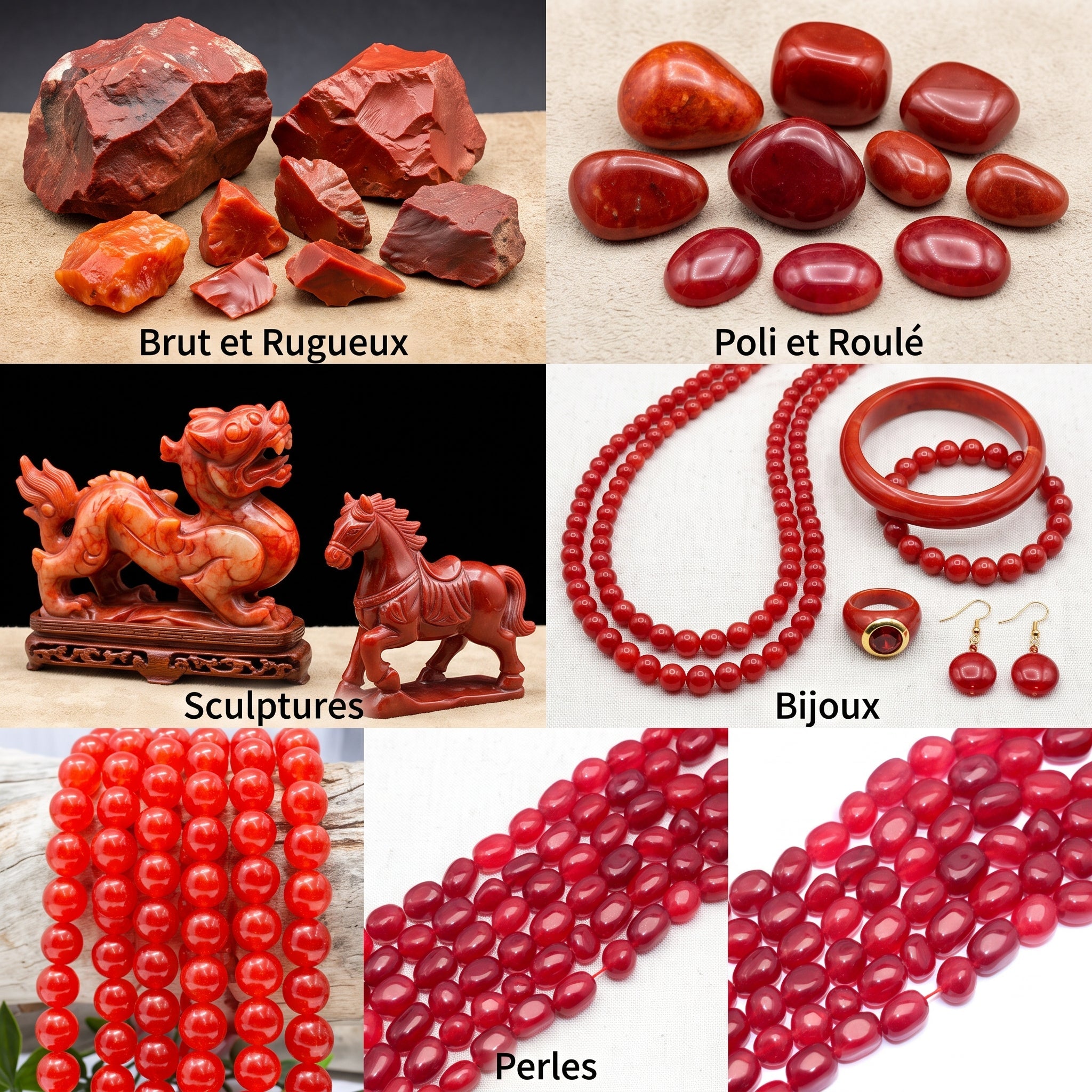
Red Jade: Natural Rarity or Heat Treatment?
Table des matières
Summary
Understanding authentic red jade requires rigorous gemological science and a deep appreciation for rare minerals. This comprehensive guide focuses entirely on the extreme global rarity of this fiery natural stone. We will explore the profound red jade meaning that captivates gemologists and collectors worldwide. You will learn the critical structural differences between natural geological formations and artificial industrial heat treatments. This guide explains exactly what red jade stone meaning represents in terms of earth energy and stability. We will also uncover the deeper red jade gemstone meaning regarding passion and vitality. Furthermore, we will explain how experts evaluate raw boulders to carve a flawless red jade bracelet. By mastering these strict authentication standards, you can confidently evaluate the true nature of this rare mineral today.
Introduction
The breathtaking vibrance of the red jade stone has fascinated humanity for countless centuries. Finding a completely natural, chemically untreated crimson mineral is a profound geological rarity today. This extreme natural scarcity makes the raw stone exceptionally coveted by serious gem collectors. Sadly, this immense global demand has created a massive influx of artificially heated stones in the commercial market. Navigating this highly deceptive modern gemstone landscape requires specialized scientific knowledge and absolute vigilance. Our comprehensive guide serves as your ultimate educational resource for raw gemstone authentication today. Let us explore the fascinating geological secrets behind this magnificent fiery mineral.

The Geological Origins of the Red Jade Stone
True gemological expertise is absolutely required to properly understand this exceptionally rare mineral. We must closely examine the complex, slow-moving geology that creates this highly coveted natural masterpiece underground.
Formation at the Boulder's Edge
The mesmerizing hue of authentic red jade does not actually originate in the core of the jadeite rock. Instead, the vibrant crimson hues develop naturally exclusively near the outer skin (epidermis) of rough boulders. Over millions of years, natural iron trace elements from surrounding soils seep into the dense crystalline structure. These elements slowly oxidize deep underground, creating a completely natural geological rusting process. This specific oxidation creates the breathtaking fiery colors we deeply cherish today. Without these exact natural chemical conditions and immense geological pressure, the stone remains entirely white.
The Mineral Spectrum of Crimson
The natural mineral market offers a stunning color spectrum ranging from pale orange to deep rust. The absolute highest quality stones exhibit a flawlessly even, incredibly pure fiery hue without internal fractures. Any visible muddy brown mottling or unwanted grey mineral inclusions will immediately lower the stone's grade. Absolute chromatic consistency is the true hallmark of a premium, investment-grade mineral specimen. Vibrant, highly saturated blood-orange tones generally command the highest prices among gemologists.
Understanding Red Jade Stone Meaning
In the realm of mineralogy and crystal lore, the red jade stone meaning represents profound earth energy and grounding. Because the color originates from iron—one of the earth's core elements—it is deeply tied to physical stability. Wearing or holding the natural stone signals a highly refined appreciation for ancient geological processes. Many contemporary collectors seek out this fiery stone to anchor their focus and attract continuous prosperity. The warm, dense specific gravity of the stone serves as a wonderful tactile grounding reminder daily.
The Profound Red Jade Gemstone Meaning
Beyond its strict scientific rarity, this fiery mineral carries profound global cultural significance. We will gracefully explore the fascinating ancient history and modern symbolism surrounding the raw gemstone.
Historical Significance of the Crimson Mineral
Historically, ancient Asian cultures universally revered this specific fiery mineral as a supreme protective talisman. Powerful emperors and wise scholars utilized raw crimson stones to ward off negative environmental energies. The deep, warm mineral color was believed to elegantly absorb malicious spiritual attacks entirely. Ancient warriors often carried unpolished fiery stones into battle for supreme physical protection and endurance. This rich historical lineage makes the raw material incredibly desirable for passionate collectors globally today.
Modern Red Jade Meaning
Today, the modern red jade meaning strongly revolves around passionate love and immense life force. Dedicated collectors cherish the raw stone for its remarkably uplifting and joyous energetic resonance. It provides a beautifully warm, radiant presence that traditional green minerals simply cannot match. Possessing a natural crimson gemstone expresses deep vitality and an unyielding connection to the earth. This profound emotional resonance separates it from the wealth-focused symbolism of other green minerals.
Red Jade Gemstone Meaning in Holistic Practice
For the individual, the red jade gemstone meaning often deeply concerns physical energy and stamina. Traditional holistic practitioners believe the iron-rich stone powerfully stimulates the root chakra for supreme stability. Interacting with the natural mineral is thought to banish lethargy and inspire creative, decisive action. This gentle energetic resonance makes it a remarkably thoughtful acquisition for mineral enthusiasts. The stone elegantly empowers the keeper to face everyday challenges with immense unyielding strength.
Authentication: Natural Rarity Versus Heat Treatment
The extreme popularity of fiery stones has unfortunately created a highly dangerous commercial market for raw materials. Uneducated buyers frequently encounter highly deceptive, artificially heated minerals sold as natural wonders.
The Destructive Nature of Heat Treatments
Global consumer demand for the beautiful red jade mineral vastly exceeds the natural geological supply. To maximize illegal profits, deceptive suppliers target cheap, highly undesirable brownish raw boulders. They aggressively heat these low-quality stones using industrial ovens to force a chemical color change. This highly destructive artificial heating process completely ruins the stone's internal structural moisture and crystalline network. These brittle, thermally shocked stones eventually lose their natural luster and physically micro-crack over time.
How Gemologists Verify Type A Authenticity
Visual inspections are incredibly helpful, but they cannot replace rigorous scientific laboratory testing of the mineral. When acquiring expensive raw materials or carved stones, you must unconditionally demand official gemological certification. Reputable laboratories strictly utilize highly advanced infrared spectroscopy to definitively examine the physical stone. This incredible scientific process absolutely proves the complete absence of artificial heat treatments and polymers. Only an officially certified Type A report completely guarantees that your gemstone is a natural geological formation.
Visual Clues to Spot Thermal Enhancements
You can confidently utilize several proven visual methods to expose fraudulent stones quickly. You must actively use a standard jeweler's loupe to inspect the microscopic crystalline structure of the mineral. In a completely natural stone, the beautiful color appears remarkably soft and perfectly blended into the matrix. Alternatively, heavily heated stones often reveal extreme microscopic fracturing and unnatural, dry textures visibly. The artificial heating process physically destroys the subtle, glassy translucency found in natural masterpieces.
Mineral Status |
Color Appearance |
Internal Moisture & Structure |
Gemological Classification |
Natural Stone |
Soft, naturally blended vibrant fiery hues. |
High internal moisture, tightly interlocked crystals. |
Type A (Investment Grade) |
Heated Stone |
Dry, overly aggressive brownish-red tones. |
Opaque, severely lacking natural internal water, brittle. |
Treated (Commercial Grade) |
Dyed Stone |
Unnatural bright reds pooling in tiny cracks. |
Chemically compromised structural integrity. |
Type C (Zero Value) |
Red Quartz |
Banded color patterns, uniform texture. |
Highly glassy, lacks jadeite's interlocking grains. |
Alternative Mineral |
Evaluating the Stone for a Red Jade Bracelet
The ultimate test of this raw material's quality is whether it can survive the intense carving process. Let us explore how gem cutters evaluate this magnificent stone.
The Challenge of Carving the Stone
A beautifully carved red jade bracelet is considered the absolute pinnacle of stone utilization. Because the red color only exists on the thin outer epidermis of the boulder, carving a large piece is incredibly difficult. When evaluating a rough stone for a red jade bracelet, the cutter must find a section where the iron oxidation penetrated deeply and evenly. A solid, seamless circular bangle requires a massive, completely perfect raw gemstone section without any thermal shock fractures. This immense material loss and precise geological requirement make natural solid bangles exceptionally rare.
Caring for the Natural Mineral
Proper daily maintenance is absolutely crucial to safely preserve the pristine beauty of this natural mineral. You must always gently wipe the stone with a soft, slightly damp microfiber cloth. Completely avoid using harsh chemical solvents or aggressive ultrasonic cleaners, as they can damage the natural surface. Over many years of handling, natural human skin oils actually enhance the stone's waxy luster. This highly natural polishing process beautifully deepens the fiery color and smooth tactile feel of the mineral.

Conclusion
The deeply captivating world of natural minerals offers few treasures as profoundly fascinating as this fiery stone. Truly understanding this exquisite gemstone requires a deep appreciation for complex professional geology and chemistry. Every authentic stone beautifully tells a unique geological story spanning ancient millennia deep within the earth. We heavily hope this comprehensive gemological guide has illuminated how experts analyze and determine true mineral value. By mastering these intricate scientific concepts, you can confidently appreciate the incredible natural rarity safely.
FAQ
What exactly causes the highly sought-after crimson hue in completely natural untreated stones?
The mesmerizing crimson coloration is created by natural iron trace elements oxidizing slowly near the rough boulder's surface over millions of years.
Are naturally occurring crimson jadeite stones considered extremely rare in the global market?
Yes, finding highly dense, perfectly evenly saturated crimson jadeite is an exceptional geological anomaly, making the raw stone highly coveted globally.
What exactly happens to the physical internal structure of aggressively artificially heated stones?
Harsh industrial heating completely destroys the natural internal crystalline moisture, leaving the stone unnaturally dry, opaque, and highly brittle.
Why do gemological experts highly recommend using a magnifying loupe when evaluating the stone?
A professional loupe clearly reveals microscopic thermal stress fractures and dry textures caused by unnatural industrial heating ovens.
Does genuine, untreated crimson jadeite typically feel distinctly heavy or light in the hand?
Authentic jadeite has a very high specific gravity, meaning the stone will feel remarkably heavy and dense for its physical size.
Why is it so difficult to carve a solid bangle out of this specific colored stone?
Because the red coloration only occurs on the thin outer skin of the raw boulder, finding a thick, flawless section large enough for a bangle is exceptionally rare.
What does an official Type A laboratory certification actually legally guarantee for the buyer?
It definitively and scientifically proves through advanced spectroscopy that the physical stone is a completely natural geological formation, free of heat or dye.
How should I safely and correctly maintain the luster of my natural untreated stone?
Simply wipe the physical stone very gently with a soft, slightly damp microfiber cloth, strictly avoiding any harsh chemical solvents.
Read more
Explore the vibrant world of yellow jade. Our expert gemological guide reveals the cultural meaning behind this sun-kissed gemstone. Learn how to verify authenticity, understand market value, and e...
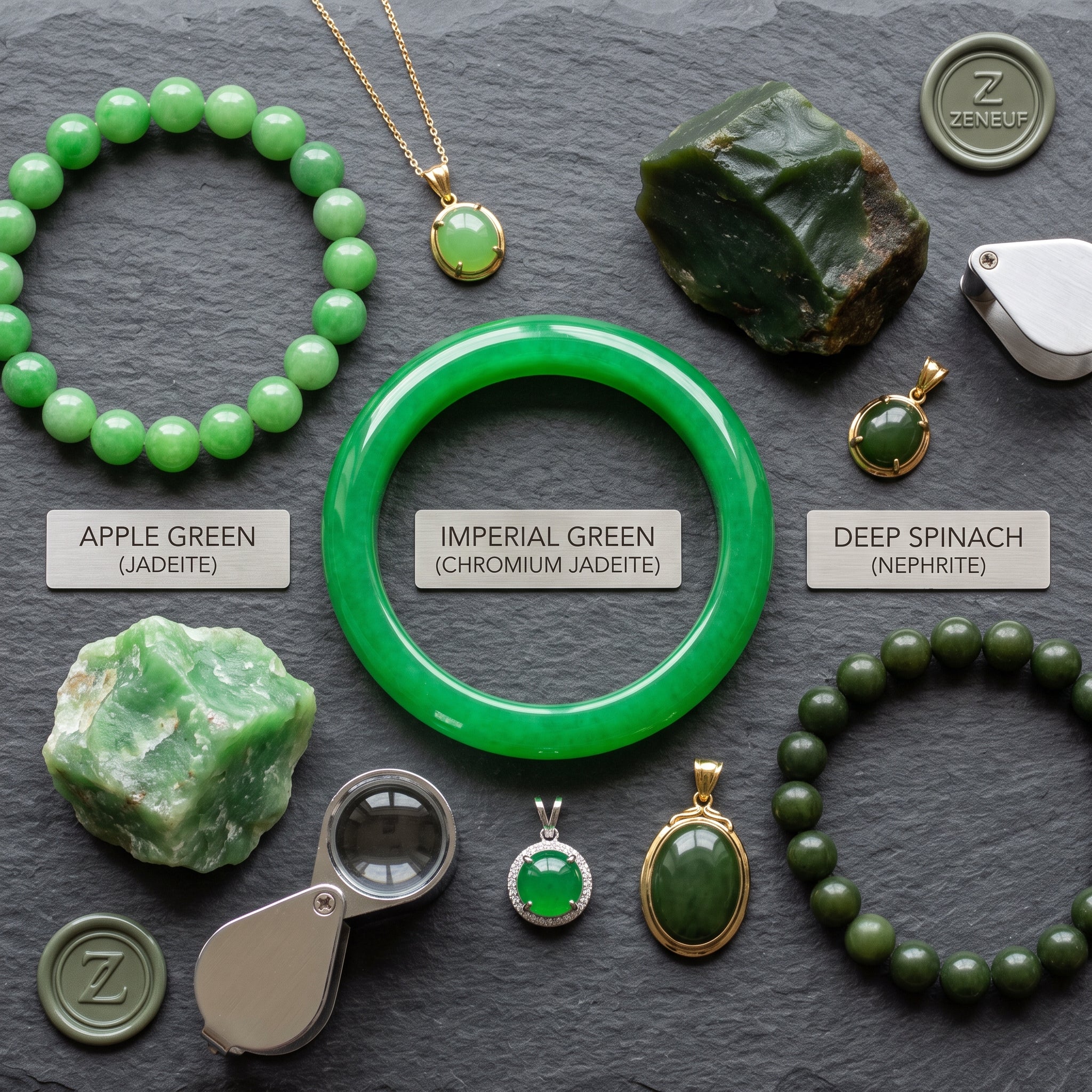
Explore the magnificent spectrum of natural green jade. Our gemological guide decodes everything from vibrant apple hues to rich spinach tones. Understand the intricate science of natural coloratio...