
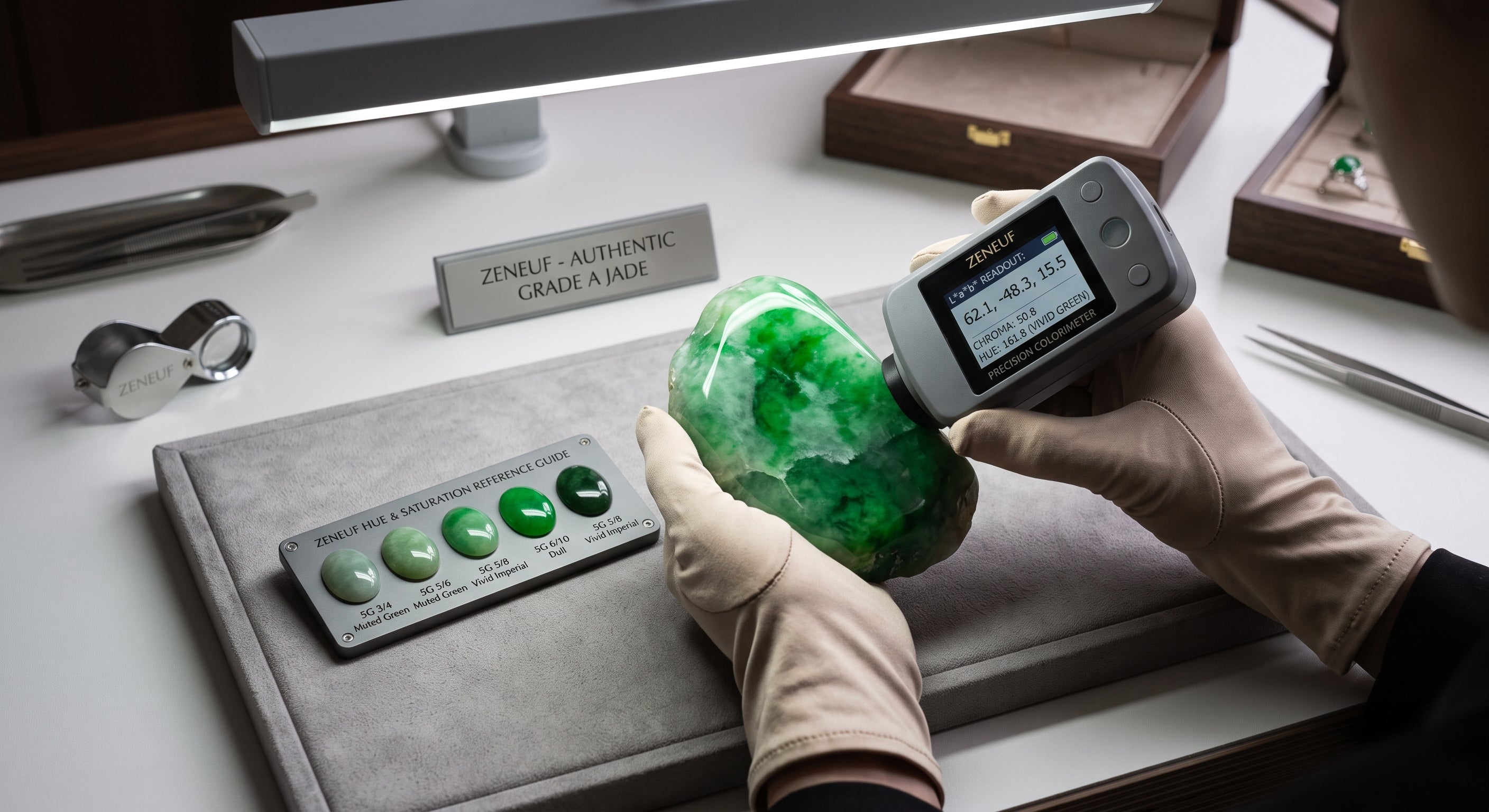
Jade Color Chart: How to Read Tone, Saturation, and Value
Table des matières
Summary
When evaluating fine jewelry, understanding a comprehensive jade color chart is absolutely essential. This foundational tool helps collectors accurately assess the hue, tone, saturation, and value of natural gemstones. By mastering the concepts presented in an authentic jade stone color chart, buyers can confidently identify rare masterpieces. The true beauty of both Nephrite and Grade A Jadeite relies heavily on how color interacts with light. Our detailed analysis goes beyond basic visual matching. We deeply explore how translucency directly impacts your overall color perception. You will also discover why specific lighting conditions alter a stone's appearance during professional evaluations. Armed with this knowledge, you can seamlessly navigate the complex world of fine gemology. This expertise ensures your next acquisition reflects genuine quality and lasting elegance.
Introduction
Navigating the complexities of a professional jade color chart empowers you to make informed jewelry investments. This vital tool decodes the intricate balance of tone, saturation, and lightness. Understanding these elements is crucial for anyone seeking authentic natural gems. Gemologists rely on precise metrics to determine true market value. Mastering a reliable jade colour chart elevates your purchasing confidence significantly. We will guide you through the exact scientific criteria used by industry experts globally. You will learn to evaluate the depth and vibrancy of your favorite pieces seamlessly. Let us explore the mesmerizing spectrum of authentic jade colors together.

The Science Behind the Jade Color Chart
Analyzing a standardized jade color chart requires a fundamental understanding of optical physics and mineralogy. Natural trace elements dictate the specific hues visible within the stone. This interaction ultimately determines the final market value of the gem. Every collector must learn to interpret these delicate visual signals accurately.
The Role of Hue on the Jade Color Chart
Understanding hue is the very first step in evaluating any precious gemstone. Hue represents the basic body color you perceive upon initial inspection. On a professional jade color chart, hues range far beyond simple greens. You will find distinct categories for purples, reds, yellows, and pure whites. Each primary hue can feature subtle secondary modifiers that impact overall beauty. A green stone might possess slight bluish or yellowish secondary tints. These subtle modifiers dictate exactly where the stone falls on the chart. Collectors often develop strong personal preferences for specific secondary hue modifiers. Recognizing these subtle nuances requires patience and dedicated visual practice over time.
Defining Tone and Value in a Jade Color Chart
The foundation of any accurate jade color chart lies in correctly identifying tone and value. Tone refers strictly to the relative lightness or darkness of a specific color. Value measures the absolute intensity of light reflected by the gemstone's surface. A premium stone exhibits a perfectly balanced tone that avoids appearing too dark. Overly dark stones absorb too much light, masking their natural brilliance. Conversely, very light tones may appear washed out under bright illumination. Expert gemologists assess these metrics under standardized lighting conditions for absolute accuracy. Precise environments ensure every reading on the chart remains completely objective. You must always consider tone before judging a stone's overall hue.
Evaluating Saturation on the Jade Color Chart
Saturation represents the purity and absolute intensity of a gemstone's primary hue. When referencing a detailed jade color chart, high saturation indicates a vivid and rich appearance. Low saturation often presents with grayish or brownish undertones that mute the color. Authentic Grade A Jadeite with exceptional saturation commands the highest market premiums globally. Imperial Green jadeite exemplifies the absolute pinnacle of perfect color saturation. Its intense vibrancy remains unmatched by any other natural gemstone variety. Understanding this metric helps you avoid stones with artificially enhanced or dyed colors. A genuine real jade color chart only features the natural spectrum of unadulterated stones. Assessing saturation requires a trained eye and excellent lighting conditions.
Translucency and the Jade Color Chart
A unique aspect of applying a jade color chart involves the critical concept of translucency. In traditional Chinese gemology, this characteristic is often referred to as water content. High translucency allows ambient light to penetrate deeply before reflecting back to you. This internal refraction dramatically enhances the perceived saturation and overall beauty. Icy jadeite provides a perfect example of this captivating optical phenomenon. The color appears to float effortlessly within a highly transparent, glass-like internal structure. Less translucent stones rely entirely on their exterior surface color to attract attention. The interplay between transparency and hue ultimately defines the gem's final market grade. Highly translucent stones easily forgive minor imperfections in their overall color saturation.

Exploring Varieties Using a Jade Color Chart
Every collector must understand how different mineral compositions translate onto a standardized reference guide. Jadeite and Nephrite display distinctly different color spectrums due to their unique geological formations. Recognizing these differences protects you from purchasing misidentified gemstones.
Jadeite on the Identification Jade Color Chart
Grade A Jadeite offers the most diverse and vibrant spectrum available today. You can clearly track these variations on any professional identification jade color chart. Chromium trace elements create the highly coveted and intensely saturated green varieties. Manganese is directly responsible for the delicate and beautiful lavender hues often found. Iron trace elements introduce stunning yellow, orange, and reddish-brown variations into the stone. Each distinct color requires careful evaluation of both its tone and its saturation. The highest quality jadeite exhibits an incredibly even color distribution without chaotic turbidity. Uneven mottling or aggressive veining can sometimes detract from the overall aesthetic harmony. However, some collectors actively seek beautiful floating floral patterns within icy translucent bases.
Nephrite on the Jade Color Chart
Nephrite possesses a distinctly different visual signature when compared to jadeite varieties. This exceptionally tough mineral typically presents with a beautiful, deeply earthy aesthetic. Iron and magnesium dictate the precise shade of green, yellow, or white observed. You will quickly notice these muted tones dominating the nephrite section of a jade colour chart. The famous Mutton Fat white nephrite represents the absolute pinnacle of this variety. It features an incredibly smooth, greasy luster that feels exceptionally luxurious to the touch. Green nephrite often displays deeper, more subtle tones compared to its jadeite counterpart. Spinach green nephrite offers a rich, dark saturation that many traditional collectors adore. Recognizing these subtle differences is crucial for authenticating your valuable jewelry investments.
Spotting Treatments with a Real Jade Color Chart
A comprehensive real jade color chart serves as a vital tool for detecting artificial treatments. Grade B jade has been bleached and polymer-filled to artificially improve its transparency. Grade C jade has been injected with artificial dyes to mimic high-value saturated colors. These artificial dyes often appear unnaturally vibrant and completely lack internal depth. Over time, ultraviolet exposure and natural wear will inevitably cause these dyes to fade. Authentic Grade A jade retains its natural color and beautiful luster indefinitely. Relying on an accurate color reference helps you spot unnaturally uniform or harsh hues. Genuine stones always display subtle, organic variations that confirm their natural origin. Always verify a stone's treatment history before making a significant financial commitment.
Understanding Color Zoning on a Jade Colour Chart
Natural gemstones rarely display completely uniform color across their entire surface area. This natural phenomenon is technically known as color zoning within the industry. A detailed jade colour chart accounts for these organic variations in hue. Beautiful color zoning can significantly enhance a piece's unique visual character. Carvers often utilize these natural color bands to create intricate, masterful designs. A subtle transition from pure white to vivid green is highly prized. Artificial dyes typically fail to replicate this delicate, organic color transition convincingly. Recognizing natural zoning patterns is an excellent method for verifying stone authenticity. True experts appreciate the unique geological signature left by natural color zoning.
Black and Rare Hues on the Jade Color Chart
Many buyers overlook the striking beauty of incredibly dark gemstone varieties. Black jadeite and black nephrite occupy special positions on the jade color chart. True black jadeite often reveals a deep green hue under intense light. This hidden characteristic distinguishes it from common black onyx or dark agate. Black nephrite typically owes its dark appearance to high iron concentrations. These dark stones offer a wonderfully bold and modern aesthetic for jewelry. Their dark tone provides an excellent contrast when paired with precious metals. A complete identification jade color chart always includes these dramatic, darker variations. Exploring these rare colors opens new avenues for building a unique collection.
|
Jade Variety |
Primary Hue |
Mineral Trace Element |
Optimal Tone |
Saturation Level on Jade Color Chart |
|
Imperial Jadeite |
Vivid Green |
Chromium |
Medium-Dark |
Exceptionally High |
|
Lavender Jadeite |
Purple/Violet |
Manganese |
Light to Medium |
Moderate to High |
|
Icy Jadeite |
Colorless |
None (Pure) |
Very Light |
Low (Focus on Translucency) |
|
Mutton Fat Nephrite |
Pure White |
Magnesium |
Light |
Low (Focus on Luster) |
|
Spinach Nephrite |
Dark Green |
Iron |
Dark |
Moderate to High |
Practical Application of the Jade Color Chart
Applying gemological principles to real-world purchasing decisions requires patience and careful observation. We recommend assessing every potential acquisition through multiple practical lenses. This rigorous approach guarantees your complete satisfaction with the final piece.
Lighting Conditions and the Jade Color Chart
Lighting dramatically alters how a stone aligns with a standard jade color chart. Incandescent lighting often introduces warm yellow or orange tones to the gemstone. This can make bluish-green jadeite appear much warmer and visually appealing. Fluorescent lighting tends to enhance blue undertones while slightly flattening the overall vibrancy. True gemological evaluation requires standardized daylight equivalent lighting for absolute color accuracy. D65 light sources provide the most reliable environment for assessing genuine color saturation. Always examine your potential jewelry purchase under various natural and artificial light sources. This ensures the stone retains its enchanting beauty in your everyday environment. A truly exceptional gem will display captivating characteristics regardless of the surrounding illumination.
Formulating a Purchase Strategy with the Jade Color Chart
A reliable jade stone color chart directly informs a smart and secure purchasing strategy. Prioritize genuine Grade A untreated material above any artificial color enhancements. Focus on finding a harmonious balance between strong saturation and a pleasing tone. Remember that incredible translucency can elevate even a modestly saturated color significantly. Consider your personal wardrobe and daily styling habits when selecting specific hues. A vividly saturated green pendant creates a stunning focal point for evening wear. Conversely, a subtle lavender bangle offers elegant sophistication for professional daytime environments. Always demand full transparency regarding the stone's origin and its treatment history. Your ultimate choice should reflect both gemological excellence and personal aesthetic preference.
Evaluating Cultural Value Alongside the Jade Color Chart
Color holds immense cultural significance that transcends basic gemological metrics and charts. Throughout history, specific hues have represented profound philosophical and spiritual concepts. Green symbolizes vibrant health, prosperity, and continuous growth in many traditions. Lavender is often associated with deep spiritual awareness and soothing emotional calm. Red and yellow variations typically represent abundant joy and long-lasting good fortune. A jade stone color chart helps you identify these culturally significant hues precisely. Understanding this symbolism adds a beautiful layer of meaning to your jewelry. You are not simply wearing a gemstone; you are carrying ancient heritage. This rich cultural context elevates the emotional value of your personal collection.
Conclusion
Mastering the nuances of tone, saturation, and value transforms how you appreciate fine gemstones. Understanding the delicate interplay between light and mineral composition elevates your collecting journey. Whether you prefer the intense vibrancy of jadeite or the earthy depth of nephrite, knowledge is power. Every authentic piece tells a unique geological story forged over millions of years. We invite you to experience this timeless elegance firsthand through our curated collections. Explore the Zeneuf online boutique today to discover handcrafted, authentic jewelry that perfectly matches your refined aesthetic. Let us help you find a breathtaking masterpiece to treasure for generations.
FAQ
How can I verify if my stone matches natural color saturation?
Authentic stones display organic, subtle variations in their overall hue. Artificially dyed pieces often look unnaturally uniform under bright light. They completely lack the internal depth found in genuine natural gemstones.
Does daily wear affect the natural tone of untreated jadeite?
Genuine Grade A untreated stones will never lose their natural color. Regular wear actually helps maintain their beautiful, glossy surface luster. Your skin's natural oils provide a gentle, protective polishing effect.
Why does my jewelry look different indoors versus outdoors?
Different artificial light sources change how you perceive hue and value. Standard daylight provides the most accurate representation of true color. Always evaluate your new jewelry pieces in natural midday sunlight.
Which hue is considered the most valuable for investment?
Imperial Green remains the most highly prized variety globally today. Its intense color saturation and medium-dark tone are exceptionally rare. This specific combination commands top market prices at international auctions.
Can translucency compensate for a lighter color tone?
Yes, high translucency creates a beautifully glowing internal visual effect. This internal reflection makes lighter stones highly desirable and valuable. Many collectors prefer icy translucency over heavily saturated, opaque colors.
How should I clean my jewelry to preserve its visual value?
Simply use mild soapy water and a very soft microfiber cloth. Never use harsh ultrasonic cleaners or aggressive chemical jewelry solutions. These harsh methods can permanently damage the stone's delicate surface.
Is lavender jadeite as durable as the traditional green varieties?
Yes, the specific color does not impact the stone's structural integrity. All authentic jadeite varieties are exceptionally tough and highly durable. You can safely wear your lavender pieces daily without worry.
Should I prioritize color saturation over the stone's texture?
Texture and transparency often dictate long-term physical durability and beauty. A well-textured stone with lighter color usually outlasts poorly structured stones. We recommend finding a harmonious balance between texture and color.
Read more
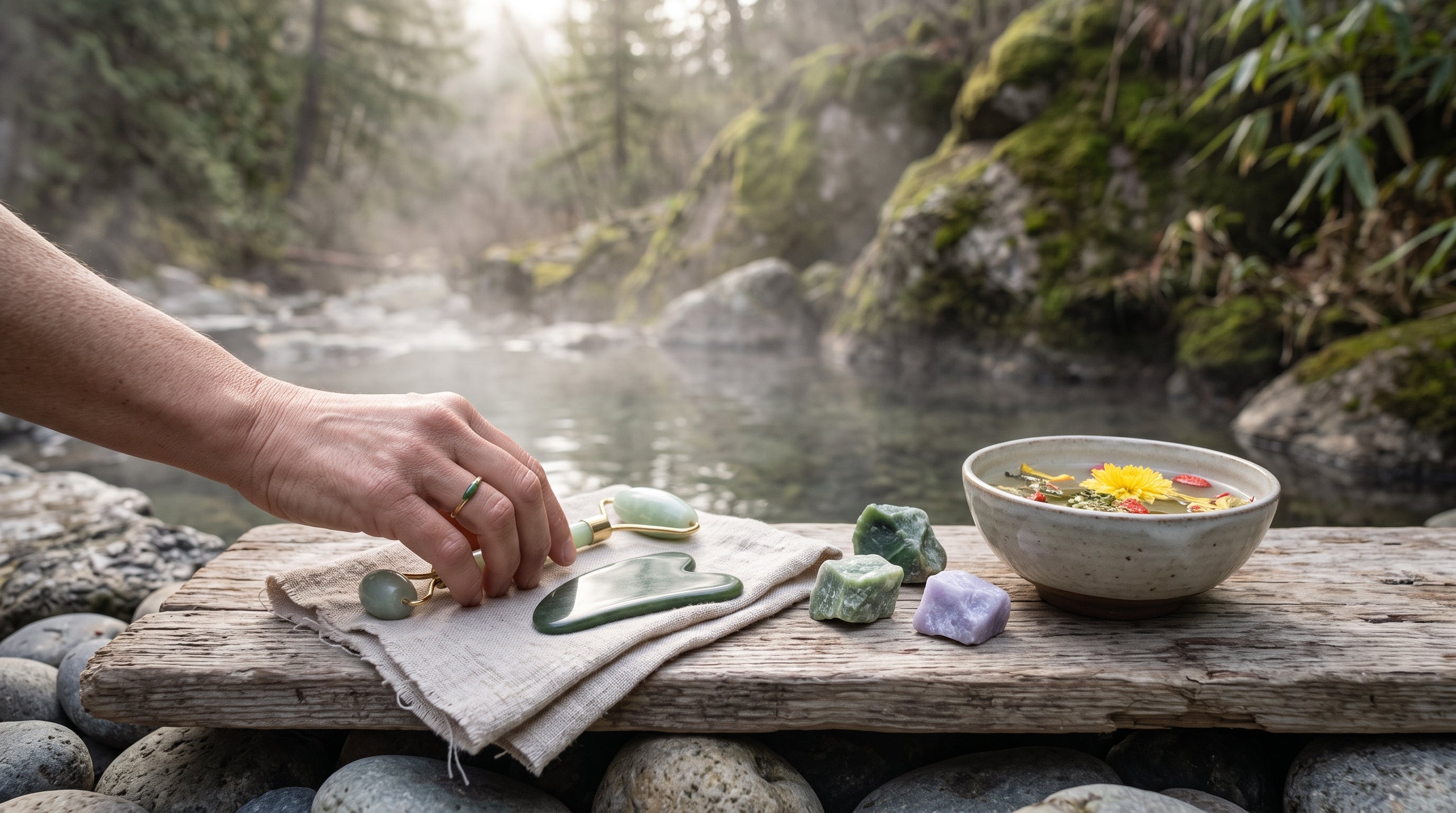
Explore the complete spectrum of natural jade. Understand the gemological science behind every shade. Discover how trace elements create stunning hues. Zeneuf guides you through authentic varieties.
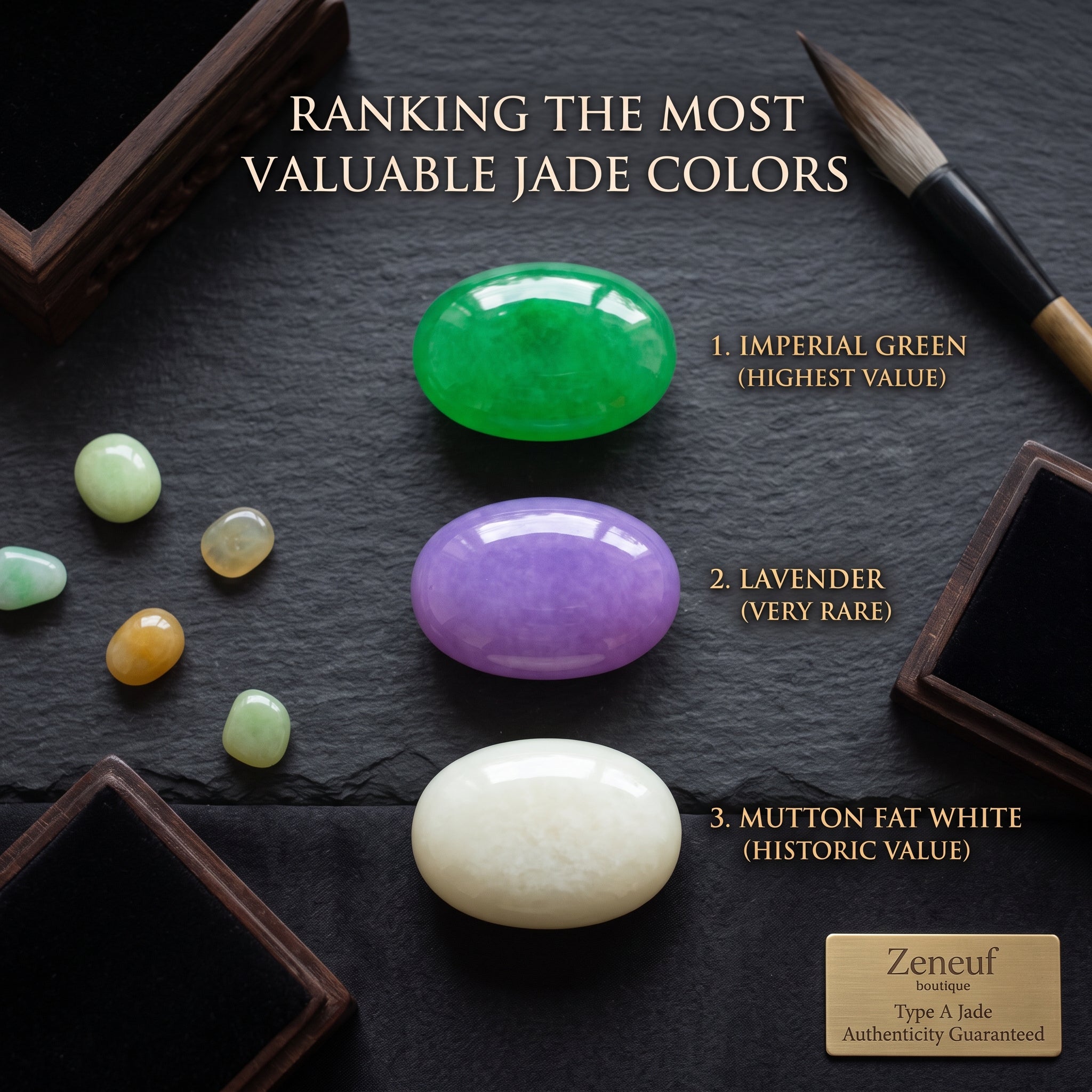
Uncover the secrets behind the most expensive jade color in our definitive gemological guide. We explore how hue, saturation, and translucency determine value, ranking everything from legendary Imp...