
Is Jade Valuable? What Determines a Stone's Worth
Table des matières
Discover the true value of jade with our comprehensive guide, differentiating between nephrite and jadeite, understanding key valuation factors like color and translucency, and navigating the market with confidence. Learn about treatment grades, craftsmanship, and price references to make informed purchasing decisions for both affordable and luxury jade pieces. This guide will equip you with the knowledge to assess whether a particular piece of jade is valuable and to appreciate its unique beauty and worth.
Introduction to Jade's Enduring Value
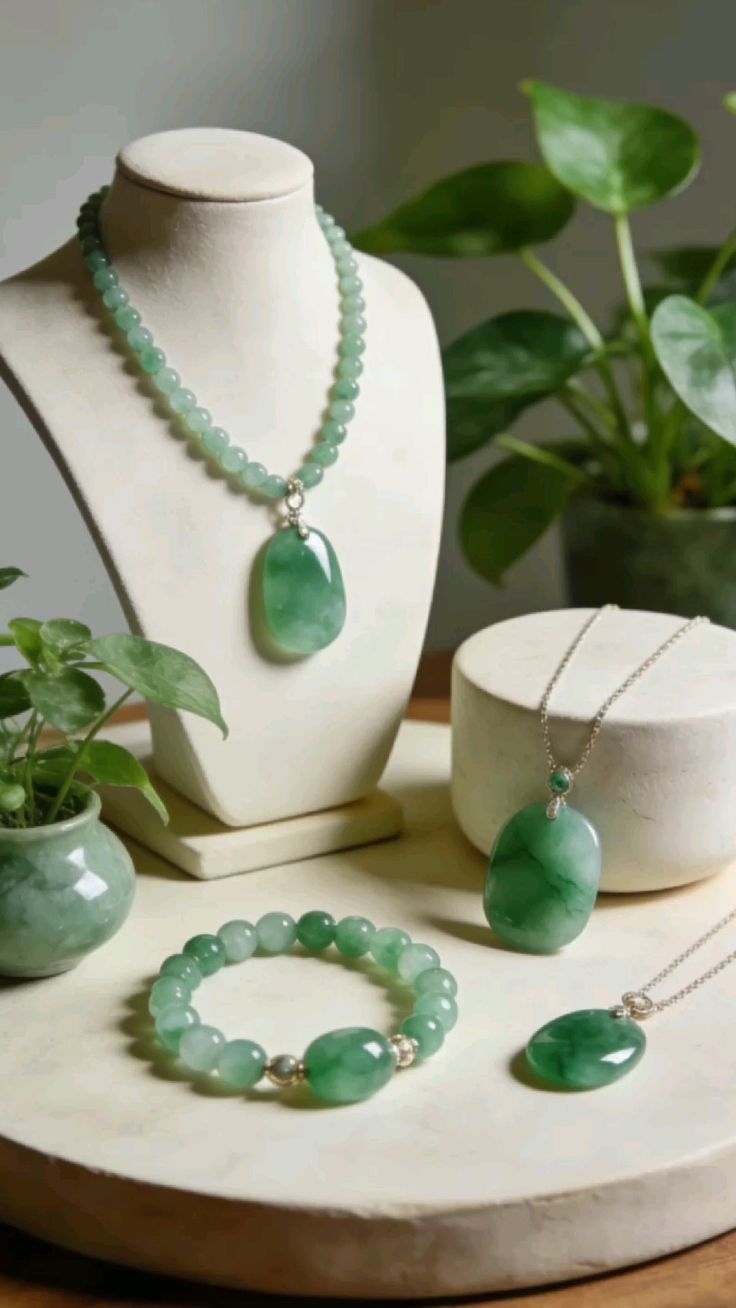
Finding a smooth green pendant or a carved bangle often leads to a fascinating question about whether jade is valuable compared to other gemstones. Investigating the true worth of jade reveals that retail price tags vary wildly depending on mineral origin, internal structure, and color saturation. While a simple nephrite piece remains wonderfully accessible for daily wear, a vibrant jadeite creation can command elite luxury prices, making it a highly valuable gemstone. Understanding what drives value protects you from overpaying and highlights the true artistry behind natural gemstone craftsmanship. Gemological institutes and market experts emphasize that jade encompasses two distinct mineral families, each carrying completely different economic valuation models. Exploring these practical nuances reveals why two visually similar stones can carry entirely different market price tags. The allure of jade has captivated cultures for millennia, not just for its aesthetic appeal but also for its perceived spiritual and valuable properties.

Mineral Species: Understanding Nephrite Versus Jadeite Value
The foundational driver of whether jade is valuable begins with correct mineral identification. The global market recognizes two distinct mineral species: nephrite and jadeite, which form under entirely different geological conditions. These differences in formation significantly impact their rarity and, consequently, their market value. Jadeite, being rarer and often exhibiting more vibrant colors and higher translucency, generally commands higher prices, making it the more valuable jade type in most contexts.
Assessing Nephrite Jade Worth: A Timeless Appeal
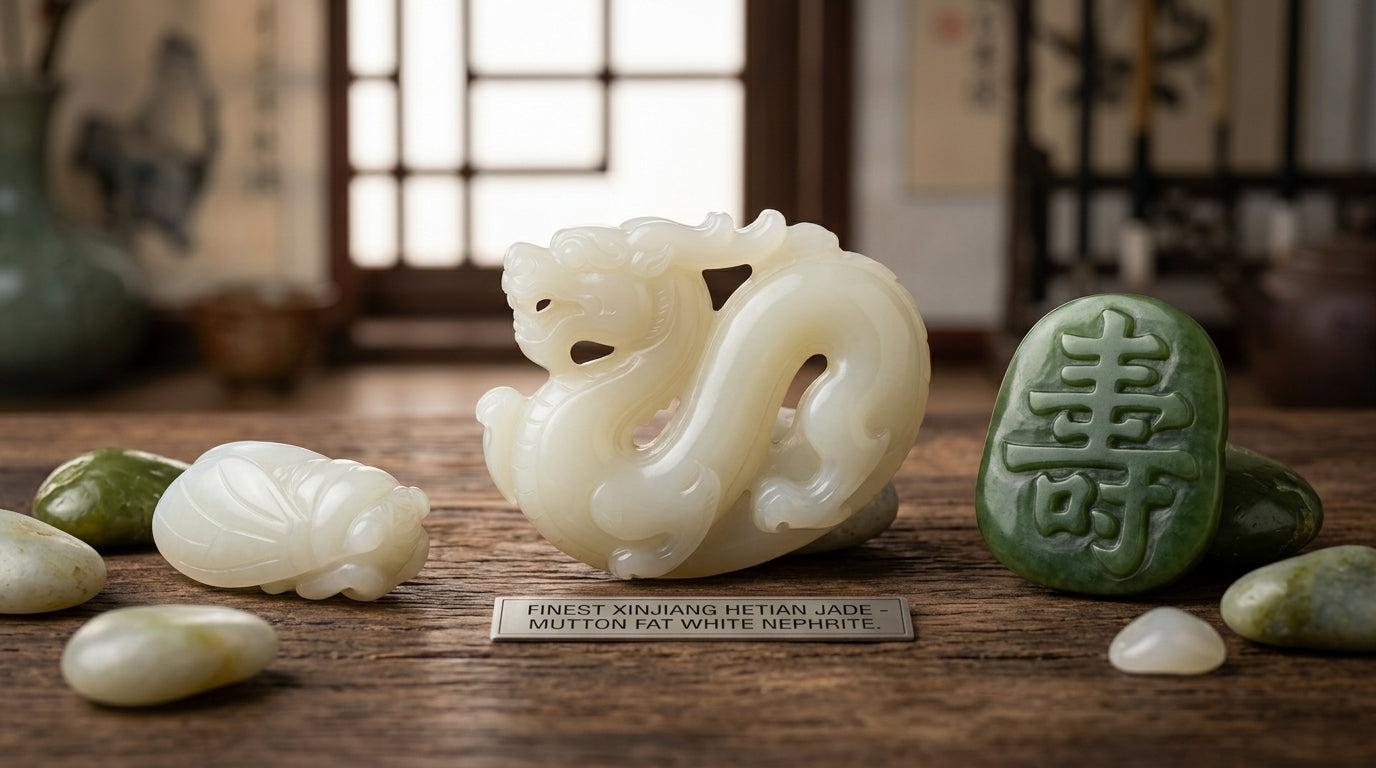
Nephrite is an amphibole silicate that has served as the historic cornerstone of traditional Asian stone carving for thousands of years. Because geological deposits of nephrite are relatively abundant across multiple continents including Canada, Russia, and China, raw material remains widely available. Standard green or grayish commercial nephrite pieces usually trade at modest rates, translating to accessible entry-level retail tags. Finished everyday jewelry crafted from standard nephrite remains exceptionally budget-friendly for regular buyers seeking authentic mineral durability. For instance, a well-carved nephrite pendant might range from $50 to $200, making it an accessible choice for many. Fine quality nephrite, particularly from regions like Xinjiang, China (Hetian jade), can also be highly prized and valuable, especially for its smooth texture and cultural significance.
Evaluating Jadeite Jade Rarity: The Emerald of the East
Jadeite is a pyroxene mineral that forms under intense high-pressure tectonic conditions found almost exclusively in remote regions of Myanmar. Because high-quality gem-grade jadeite is severely restricted by nature, its market value scales exponentially with structural clarity and color intensity. While low commercial grades of jadeite are reasonably priced, top-tier selections reach extraordinary figures. Consequently, a small, flawless cabochon of jadeite can easily command thousands of dollars in pure monetary worth. A notable example is the legendary "Emperor" jadeite bangle, which fetched millions at auction, showcasing the extreme value potential of rare jadeite. This rarity is a primary reason why gem-grade jadeite is often considered the most valuable jade.
The Critical Impact of Treatment Grades on Jade Value
Gemologists classify jadeite into strict international treatment tiers that heavily dictate whether jade is valuable on the secondary market. Type A jadeite is completely natural, undergoing only traditional surface waxing to optimize its natural luster. Type B and Type C stones are chemically bleached, acid-washed, resin-impregnated, or artificially dyed to mask internal structural flaws. Processed pieces drop drastically in value, trading at a tiny fraction of untreated Type A material regardless of their initial appearance. It is crucial to always ask for a gemological certificate; a genuine Type A jadeite will be accompanied by documentation from a reputable lab like GIA or Gubelin, confirming its natural state. Untreated jadeite is significantly more valuable than its treated counterparts.
Key Factors That Drive the Cost of Jade
Analyzing how gemologists determine whether jade is valuable requires examining four primary physical and structural evaluation pillars established by independent gemological laboratories. These factors work in concert to determine the final market price of any jade piece.
Color Intensity and Saturation
Translucency and Internal Texture
Craftsmanship and Structural Integrity
Size and Weight
Color: The Most Powerful Multiplier for Jade Value
Color serves as the most powerful pricing multiplier in the entire gemstone market. For jadeite, vivid emerald tones known as imperial green command the highest global premiums per carat and finished item. Other prized natural hues include rich lavender, sunny yellow, and warm honey tones. Muted, patchy, or chalky color distributions significantly reduce the overall retail value of any jade selection. A perfectly uniform, intensely saturated imperial green jadeite cabochon can be worth over $10,000 per carat, while a similar-sized stone with uneven or pale green coloration might only be worth $100 per carat. This demonstrates how critical color is in establishing how valuable jade can be.
Translucency and Internal Texture: The 'Water Head' Effect
Transparency and internal crystal structure deeply influence stone beauty and cost. Highly translucent jade allows light to penetrate deep into the interior, producing a soft, glowing radiance known as the water head. Fine-grained textures feature tightly interlocking microcrystals that feel exceptionally smooth to the touch. Coarse, opaque stones scatter light poorly, resulting in lower market valuations. The "glassy" or "wet" look often associated with highly translucent jadeite, achieved through a fine, tightly interlocked microcrystalline structure, significantly enhances its desirability and price compared to opaque, grainy textures. High translucency directly correlates with higher value.
Craftsmanship and Structural Integrity: Artistry in Stone
The manufacturing style of a finished jewelry item heavily impacts its final price tag. Solid carved bangles require massive raw boulders with zero internal fractures, making them riskier and more expensive to produce than multi-stone bead bracelets. Master lapidary artisans must carve items from single pieces of solid rough material without compromising structural strength. A hand-carved pendant by a renowned artisan, featuring intricate details and perfect symmetry, can command a premium of 20-30% over a mass-produced piece of identical material quality. Ensuring structural integrity, meaning no cracks or significant inclusions that compromise durability, is paramount for high-value pieces. Exceptional craftsmanship enhances the perceived value of jade.
Size and Weight: The Foundation of Value
Larger jade pieces, all other factors being equal, are generally more valuable than smaller ones. This is because the availability of large, high-quality rough jade is significantly more limited. When a substantial piece of jade possesses desirable color, translucency, and is free of significant flaws, its size becomes a major contributor to its immense value. For example, a large, flawless imperial green jadeite bangle can be exponentially more valuable than a small bead of the same material.
Jade Value and Price Reference Guide: A Snapshot
Understanding the potential price ranges for different types of jade can be a helpful starting point for shoppers. This table provides approximate figures, but remember that rarity, specific color nuances, and market demand can cause significant fluctuations. Always consult with experts for precise valuations.
Shopping Smart and Evaluating Jade Safely
Purchasing jade requires careful attention to detail to ensure you receive authentic material that matches your financial investment. Knowing what to look for protects your personal budget and helps you identify truly valuable jade. To ensure a safe purchase, always prioritize buying from reputable dealers who provide detailed descriptions and clear images, and ideally, offer a return policy. For guidance on selecting genuine pieces and understanding their provenance, explore our detailed authenticity commitment.

Requesting Gemological Certification: Your Assurance of Value
High-value jade purchases should always be supported by independent laboratory documentation. Trusted gemological certificates verify whether a stone is natural Type A jadeite or chemically treated material. Complete transparency regarding specific gravity and structural treatments gives buyers absolute peace of mind. When purchasing a significant piece, ask for a report from a recognized gemological laboratory. This certification is your strongest assurance of authenticity and quality, akin to a birth certificate for the gemstone, detailing its precise characteristics and confirming it is natural (Type A). Certified jade is more easily recognized as valuable.
Simple at-home assessment tips:
The Sound Test: Gently tap two pieces of jade together. Natural jadeite produces a clear, resonant metallic sound, while glass or lower-quality imitations will sound dull or hollow.
The Temperature Test: Genuine jade feels cool to the touch and takes time to warm up to body temperature, unlike glass or plastic which warms up quickly.
The Scratch Test (Use with Caution): While not recommended for valuable pieces, know that jade is hard. It will resist scratching from a steel knife, whereas glass will show a mark. Always test on an inconspicuous area if you must perform this test.
Setting Realistic Everyday Budgets for Valuable Jade
Understanding market pricing helps you establish realistic expectations before shopping. While museum-grade specimens reach staggering figures, charming everyday nephrite and commercial jadeite pieces remain wonderfully accessible for personal enjoyment. Balancing personal style preferences with gemological quality ensures lasting satisfaction. For example, a beautiful nephrite bracelet with good color and polish can often be found for under $300, offering excellent value for daily wear, while a similarly sized but less translucent jadeite piece might be available for around $150. Even at lower price points, natural jade offers significant aesthetic and durability value.
Conclusion: Appreciating the True Value of Jade
Navigating whether jade is valuable involves balancing mineral species, treatment statuses, color saturation, and master craftsmanship. Whether you appreciate the earthy warmth of nephrite or the luminous transparency of natural jadeite, understanding these market dynamics ensures an informed choice. Jade's value is multifaceted, encompassing not just monetary worth but also cultural heritage and artistic expression. We invite you to explore the Zeneuf online boutique, where our curated collection of authentic jade jewelry celebrates timeless heritage, certified quality, and expert craftsmanship at prices accessible to everyone. Discover your next cherished treasure today by browsing our selection of verified Type A jadeite and fine nephrite pieces, each with detailed descriptions and clear provenance, and experience the lasting value of genuine jade.
FAQ
How can I tell if a piece of jade is genuine or imitation glass?
Genuine jade feels cool to the touch, possesses high density, and resists scratches from ordinary steel items. Unlike glass, jade will also produce a resonant, clear tone when gently tapped. You can also look for certification from reputable gemological labs.
Why do some jade items cost very little while others cost thousands?
Price differences stem from mineral type (jadeite vs. nephrite), color intensity and uniformity, translucency (how light passes through), internal texture, and crucially, whether the material is natural Type A jadeite or chemically treated (Type B/C). Rarity and craftsmanship also play significant roles in determining how valuable jade is.
Is nephrite considered less valuable than jadeite?
Generally, high-quality jadeite is more valuable than nephrite due to its rarity and vibrant colors. However, exceptional historical nephrite varieties, like fine Hetian jade, can command very high prices among collectors and connoisseurs, proving that specific types of nephrite can be extremely valuable.
What does Type A jadeite mean for my jewelry purchase?
Type A jadeite is completely natural and untreated except for traditional surface waxing to enhance luster. This means it retains its full structural integrity and natural beauty, making it the most valuable and sought-after category. Investing in Type A jadeite ensures you are acquiring a truly valuable piece.
Can I wear my jade jewelry every day without damage?
Jade possesses exceptional toughness (resistance to breaking) and durability, making it suitable for daily wear in rings, bracelets, and pendants. However, like any gemstone, it can be chipped or scratched if subjected to sharp impacts or abrasive surfaces, so mindful wear is recommended to preserve its value.
How should I clean and maintain my jade accessories?
Clean your jade gently using warm water, mild soap, and a soft cloth. Avoid harsh chemical cleaners, ultrasonic cleaners, and sudden extreme temperature changes, as these can damage the stone or its setting. Store jade pieces separately to prevent scratching and maintain their pristine condition.
Do affordable jade pieces use real natural stone?
Yes, many affordable jade options like commercial nephrite and basic jadeite are completely natural stones. Their lower price is due to factors like less desirable color, lower translucency, or simpler craftsmanship, not because they are imitations. They still represent genuine, albeit less valuable, forms of jade.
Where can I buy certified authentic jade online safely?
You can explore specialized online boutiques like Zeneuf that provide transparent gemological details, clear treatment disclosures, and authentic jade jewelry tailored for everyday shoppers. Always look for sellers who offer gemological certificates for higher-value items and have clear return policies to ensure you are purchasing valuable jade safely.
Read more

Wondering how much a jade bracelet cost? This comprehensive guide explores real nephrite and jadeite bracelet prices, quality factors, and budget-friendly styles.

Wondering how much jade bangles cost? This guide explores real nephrite and jadeite prices, quality factors, and budget-friendly styles.