

Jade Color Meanings: What Each Shade Says
Table des matières
Understanding jade color meanings reveals how each natural gemstone shade influences emotional balance, personal symbolism, and everyday style. Readers will discover geological trace elements, explore traditional Five Elements philosophies, review a comparative color matrix, and learn simple jewelry styling methods. Learn how authentic colored jade from Zeneuf enhances your daily lifestyle.
Introduction
For thousands of years, natural jade has enchanted humanity through a breathtaking palette of natural earth tones. Understanding authentic jade color meanings allows jewelry enthusiasts to select pieces that resonate with their individual aspirations.
Many everyday shoppers mistakenly believe that natural jade occurs solely in classic shades of green. In reality, nature produces jade in a captivating rainbow of white, lavender, yellow, red, and black.
At Zeneuf, we celebrate this geological diversity by offering handcrafted jewelry made exclusively from certified natural jade. Exploring these fascinating shades will help you choose meaningful accessories. These pieces will express your unique personal story with effortless daily confidence.

Cultural Foundations and Philosophical Jade Color Meanings
The appreciation of diverse jade colors traces back through millennia of human artistic and philosophical tradition. Ancient scholars observed how natural colors reflected the shifting seasons, cosmic forces, and ethical virtues.
The Five Elements Cosmology and Jade Color Meanings
In ancient China, philosophers developed the Wu Xing doctrine to explain the cyclical changes of nature. As documented in classical texts preserved by the National Palace Museum, each element corresponds to a specific color.
Green represents the Wood element, signifying springtime vitality, creative growth, and harmonious family relationships. Red and orange embody the Fire element, fueling passionate enthusiasm, dynamic courage, and joyous celebration.
Yellow corresponds to the Earth element, representing rooted balance, maternal nourishment, and thoughtful stability. White represents the Metal element, embodying moral purity, mental clarity, and righteous integrity.
Finally, black corresponds to the Water element, symbolizing deep wisdom, emotional tranquility, and protective power. Understanding this ancient cosmology enriches modern jade color meanings for everyday jewelry wearers.
Traditional philosophers believed that wearing the correct elemental shade restored energetic harmony to the human body. When an individual experienced creative blockages, wearing green Wood jade revitalized forward momentum.
If someone felt overwhelmed by emotional anxiety, grounding black Water jade offered quiet stability and inner calm. People chose specific shades to welcome seasonal balance into their domestic spaces and daily work.
Carved talismans often combined contrasting shades to represent the continuous dance of Yin and Yang. This holistic view transformed colorful stones into personal instruments for mindful, intentional living.
Today, this ancient wisdom remains completely relevant for anyone building an everyday jewelry collection. It allows you to select pieces that align with your current personal growth goals.
Imperial Symbolism and Jade Color Meanings
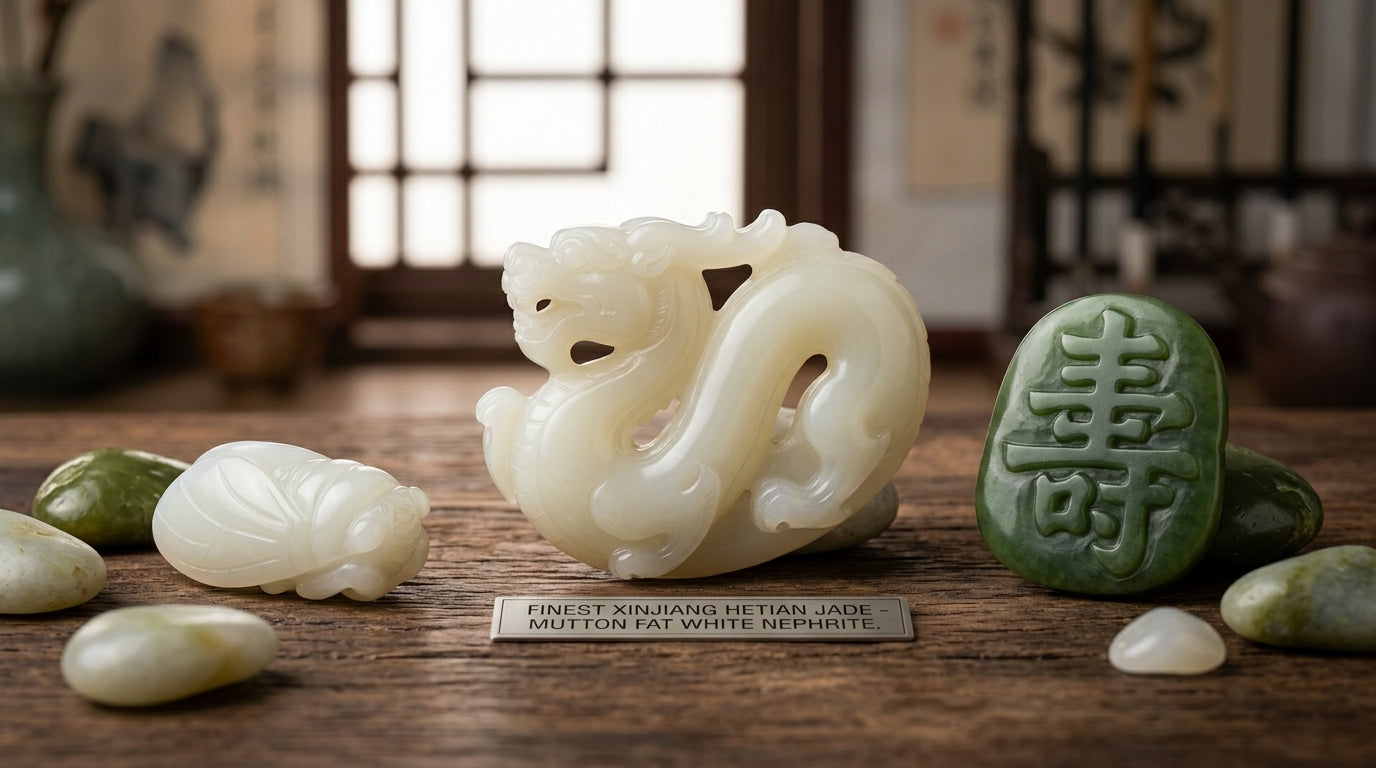
Throughout imperial Chinese history, colors carried strict social symbolism and protective cultural significance. Emperors prized creamy white nephrite, historically described as mutton-fat jade, above all other worldly possessions.
As detailed by curators at the British Museum, white jade symbolized untarnished moral character and divine mandate. During solemn state ceremonies, emperors wore white jade plaques to demonstrate purity of intent to heaven.
In later centuries, court officials embraced vivid emerald green jadeite imported from northern Myanmar. Green represented supreme natural renewal, flourishing vitality, and enduring family legacy.
Common citizens carried yellow and russet jade carvings to attract domestic harmony, successful harvests, and good fortune. Thus, historic dynasties established lasting jade color meanings rooted in ethical leadership and household peace.
Court artisans shaped distinct colors into symbolic animals to convey specific blessings to the wearer. White jade was frequently carved into graceful cranes to represent longevity, peace, and clean thoughts.
Yellow stones became playful badgers and cicadas, signifying joyful rebirth and steady material security. Green varieties were carved into dragon motifs, embodying strength, benevolence, and seasonal rainfall for agriculture.
The color of the stone was never accidental in classical workshop traditions. Every hue spoke a specific visual language understood by the entire community.
These enduring associations continue to influence how we cherish colored gemstones today. They infuse each piece of jewelry with deep historical continuity and heartfelt significance.
Global Indigenous Traditions and Jade Color Meanings
Beyond Asia, indigenous cultures across the Pacific and Americas developed profound relationships with colored jade. The Māori of New Zealand classified local nephrite, known as Pounamu, into distinct named color varieties.
Anthropological records from the Museum of New Zealand Te Papa Tongarewa describe varieties like Inanga, a pearlescent gray-green. Māori carvers shaped these stones into treasured hei-tiki pendants passed down across multiple family generations.
In Central America, Olmec and Maya artisans carved both blue-green and deep forest-green jadeite into sacred figures. They equated bright green jade with young corn shoots, life-giving rainwater, and agricultural fertility.
Across every continent, traditional jade color meanings honored the essential life-giving forces of the natural world. These cultures recognized that mineral colors mirrored the living landscape around them.
Maya lapidaries also valued rare lilac jadeite discovered along the mountainous Motagua River fault zone. They associated soft violet tones with the transitional light of dawn and sunset skies.
These soft purple ornaments accompanied community leaders during solemn rites marking seasonal shifts. Meanwhile, dark charcoal jadeite formed heavy ceremonial blades and protective amulets against sudden misfortune.
Indigenous artisans respected the natural color zoning found within raw river pebbles. They carved each ornament to follow the natural flow of veins and oxidized outer rinds.
This deep environmental respect created jewelry that celebrated the raw creativity of the earth. Today, we honor that indigenous heritage by preserving the authentic natural tones of the stone.
Folk Traditions and Jade Color Meanings
In rural Eurasian communities, pastoral nomads used colorful jade pebbles to predict weather patterns and ensure safe travel. Herders believed that carrying honey-yellow jade protected grazing cattle from sudden mountain lightning strikes.
Merchants traveling the Silk Road placed dark olive jade stones inside saddlebags to ward off dehydration. Village healers placed polished white stones in cool spring water to absorb soothing, restorative qualities.
They believed the pale mineral calmed physical fevers and softened harsh emotional grievances between neighbors. Mothers hung tiny green jade beads near sleeping mats to give infants peaceful dreams and restful sleep.
These widespread folk practices illustrate how jade color meanings addressed real, practical everyday needs. The stones provided tangible reassurance, comfort, and emotional grounding across countless rural generations.
Geological Origins and Scientific Jade Color Meanings
The spectacular color diversity of authentic jade is the direct result of dynamic geological chemistry. Distinct mineral inclusions and atomic substitutions transform clear silicate structures into radiant, colorful gems.
The Green Spectrum and Jade Color Meanings
Green remains the quintessential color universally associated with the ancient jade legacy across the globe. Scientific analyses by the Gemological Institute of America confirm that chromium produces vivid emerald greens in jadeite.
Conversely, divalent iron ions generate the deeper, olive, and forest greens typical of natural nephrite. The green spectrum ranges from delicate mint and translucent apple green to deep, mysterious spinach jade.
Energetically, green jade connects intimately with the heart chakra, encouraging generosity, romantic harmony, and physical vitality. Wearers treasure green jade as a reliable talisman for attracting prosperity and maintaining emotional balance.
It remains the most widely recognized shade in everyday jewelry collections worldwide. This enduring popularity reinforces classic jade color meanings centered on flourishing renewal and persistent personal hope.
When light passes through chromium-rich jadeite, it reveals a glowing, vibrant transparency known as water translucency. Nephrite displays a slightly more fibrous, oily appearance that absorbs ambient room light softly.
Light mint green shades evoke crisp springtime mornings, bringing a refreshing visual lightness to casual outfits. Deep moss and spinach tones offer a grounded, earthy aesthetic that complements quiet autumn wardrobes.
Neither variety requires artificial color enhancements to display its natural, complex geological beauty. Choosing untreated green jade ensures that you wear a pure product of deep metamorphic forces.
The comforting green hue acts as a constant physical reminder to stay centered and emotionally generous.
White and Mutton-Fat Jade Color Meanings
White jade holds an honored position within classical gemology due to its pristine, velvety, and soothing appearance. Pure tremolite nephrite containing virtually zero iron or other mineral impurities forms this immaculate white stone.
Historical Chinese lapidaries called the finest white nephrite mutton-fat jade because its luster resembles solidified sheep fat. In the jadeite family, translucent white stones are often termed icy jade due to their water-like clarity.
Mineralogical studies by the Smithsonian Institution emphasize that white jade exhibits remarkable structural density. Energetically, white jade fosters mental clarity, filters unnecessary emotional drama, and cultivates pure intentions.
It provides an elegant, minimalist accent suitable for modern wardrobes, showcasing refined jade color meanings.
When examining white jade, gemologists look for a soft, greasy glow rather than a harsh, glassy reflection. This soft optical behavior happens because microscopic amphibole fibers scatter reflected light across multiple internal planes.
Icy jadeite, by contrast, displays subtle internal reflections that resemble melting glacial runoff water. Both varieties offer a calming visual neutrality that pairs effortlessly with any clothing style.
Wearing white jade helps quiet an overactive mind during demanding office workdays and difficult conversations. It reminds the wearer to maintain honest communication and let go of petty, distracting resentments.
This timeless shade brings an aura of peaceful simplicity to your everyday jewelry rotation.
Red, Yellow, and Orange Jade Color Meanings
Warm-toned jade varieties provide an invigorating contrast to traditional cool green and white mineral stones. Red, orange, and yellow hues occur almost exclusively as secondary colorations within weathered jadeite boulders.
As jadeite deposits weather in river gravels, iron-rich water seeps into microscopic surface fractures over millennia. Geological research by the Muséum National d'Histoire Naturelle demonstrates that limonite creates rich yellow and honey tones.

When exposed to natural environmental oxidation, hematite precipitates, creating striking russet, orange, and crimson bands. Energetically, red and orange jade stimulate physical courage, self-confidence, and creative motivation.
Yellow jade radiates warm optimism, emotional cheerfulness, and welcoming domestic joy, enriching practical jade color meanings.
These warm stones develop along the exterior rind of raw boulders, creating striking natural color gradients. Lapidaries carefully inspect these oxidized crusts, planning carvings that highlight the vivid transition between skin and core.
A single carved piece can feature a bright orange squirrel perched atop a pale green leafy branch. This creative interplay between natural mineral zones celebrates the raw artistry of our earth.
Wearing yellow jade brightens gloomy mornings with a comforting, sunlit aesthetic that boosts daily personal morale. Russet red tones evoke warm hearth fires, encouraging bold decision-making and passionate creative pursuits.
These lively earth tones offer an accessible alternative to predictable everyday gem choices.
Lavender and Black Jade Color Meanings
Cool violet and deep midnight shades represent the most enigmatic frontiers of natural jade color variations. Lavender jadeite owes its delicate, misty purple tones to trace amounts of trivalent manganese within the crystal lattice.
When manganese interacts with subtle iron traces, the stone displays shades from pale lilac to deep plum. Energetically, lavender jade connects with the third eye and crown chakras, fostering spiritual wisdom and emotional composure.
Conversely, black jade forms through dense micro-inclusions of graphite, iron oxides, or deep green pyroxene crystals. Black jade acts as an energetic shield, absorbing environmental negativity and anchoring personal focus during chaos.
Both shades offer distinct avenues for exploring contemporary jade color meanings in personal jewelry collections.
Lavender stones convey a soft, approachable gentleness that soothes visual fatigue and quiets mental chatter. Under natural sunlight, a fine lavender cabochon displays a subtle internal glow that feels ethereal.
Black jade, in striking contrast, absorbs light into its dense, velvety matrix with resolute physical presence. Holding a smooth black jade bead provides an immediate tactile anchor against situational stress.
Together, these contrasting shades demonstrate the incredible chemical breadth of natural jadeite and nephrite minerals. They offer jewelry lovers versatile options for personal self-expression, mindfulness, and everyday defensive grounding.
Wardrobe Styling and Practical Jade Color Meanings
Selecting the right jade shade allows you to coordinate meaningful gemstone energy with your personal fashion preferences. Every color in the natural jade family offers distinct aesthetic possibilities for everyday styling.
Harmonizing Colors with Skin Tones and Jade Color Meanings
Choosing a flattering jade color enhances your natural complexion and boosts your daily wardrobe confidence. Individuals with cool undertones and rosy complexions look stunning wearing lavender, icy white, and deep forest-green jade.
The cool undertones of these stones complement fair and pink-toned skin without washing it out. Wearers with warm, olive, or golden complexions glow when wearing honey yellow, russet red, and olive nephrite.
These earthy tones harmonize beautifully with warm skin pigments, creating a vibrant, sun-kissed aesthetic. Individuals with deep, rich complexions can wear virtually any shade, with white and apple green offering striking contrast.
Understanding these visual harmonies helps you apply jade color meanings directly to your morning styling routine.
To discover your skin undertone, observe the veins on your inner wrist under clean natural daylight. If your veins appear bluish or purple, your complexion leans toward cool tones that favor lavender and white.
If your veins display a greenish tint, your skin carries warm undertones that shine alongside yellow and red jade. Neutral complexions can transition effortlessly between warm honey beads and icy green pendants without visual clashing.
Testing different stones against your collarbone reveals how mineral undertones interact with your natural skin glow. Handcrafted jade jewelry provides a flattering, organic warmth that synthetic materials simply cannot replicate.
Selecting the right color makes your everyday jewelry feel like a natural extension of yourself.
Mixing and Matching Jade Color Meanings
Contemporary jewelry styling encourages playful combinations of multiple natural jade colors within a single cohesive outfit. Pairing a deep black jade bead bracelet with an icy white jade pendant creates a balanced Yin-Yang contrast.
This monochromatic look conveys sleek modern style while symbolizing perfect internal harmony between opposing forces. Alternatively, combining soft lavender jade earrings with an apple-green jade ring delivers a fresh, spring-inspired palette.
When layering bracelets, mixing varying textures and colors adds tactile interest without appearing excessively busy or overstated. Zeneuf crafts everyday bracelets and necklaces that blend seamlessly, allowing you to curate your own personal talisman stack.
This creative freedom brings fresh excitement to traditional jade color meanings in modern capsule wardrobes.
You can also create seasonal jewelry rotations that mirror the changing colors of the natural world outside. Wear crisp icy white and deep midnight black pieces during cold winter months for clean, structured style.
Embrace pastel lavender and cheerful mint green during spring to welcome fresh beginnings and personal growth. In summer, pair radiant honey-yellow beads with casual linen clothing for effortless, sun-drenched afternoon outings.
As autumn approaches, transition toward rich russet red and deep olive nephrite for warm, cozy textural layering. This mindful seasonal alignment deepens your connection to the rhythmic cycles of nature.
Metal Pairings and Jade Color Meanings
The metal setting you choose acts as a frame that highlights the natural beauty of colored jade. Polished 925 sterling silver provides a cool, clean border that accentuates icy white, black, and lavender jade stones.
The crisp white reflection of silver sharpens the outlines of the gem, creating a modern, minimalist appearance. Conversely, mounting honey yellow, russet red, or forest green jade in warm yellow gold produces rich, vintage charm.
The golden frame warms the earthy tones of the mineral, evoking the ambiance of classical antique jewelry. Rose gold offers a delicate, romantic balance that softens the bold contrast of dark green and black stones.
Selecting the right metal ensures that your jewelry piece delivers maximum visual harmony and daily comfort.
Consider your existing jewelry wardrobe when selecting metal mountings for your new natural jade pieces. If you wear silver rings daily, choosing a silver-mounted lavender pendant ensures effortless coordination every morning.
Stainless steel and platinum mountings offer exceptional scratch resistance for active individuals who prioritize durable everyday wear. Prongs should hold the stone securely without pinching or obscuring the natural translucency of the gem.
Open-back bezel settings allow natural daylight to pass through the stone, illuminating its internal crystalline structure. This thoughtful craftsmanship ensures that the true color of the mineral shines brightly against your skin.
Thoughtful Gifting and Jade Color Meanings
Selecting gemstone jewelry as a gift becomes deeply personal when you tailor your choice to specific color meanings. When celebrating a loved one's career promotion or college graduation, choose green jade to symbolize flourishing success.
For friends navigating emotional grief or family transitions, present white or lavender jade to encourage peaceful healing. A vibrant honey-yellow or russet-orange jade pendant makes an inspiring birthday gift for someone pursuing creative goals.
Handcrafted jade jewelry delivers far greater emotional resonance than generic accessories because of its enduring meaning. Recipients appreciate the thoughtful intention behind selecting a specific color tailored to their life path, elevating meaningful jade color meanings.
Accompany your gift with a small handwritten note explaining the geological and cultural history of the chosen color. This personal touch transforms a beautiful physical accessory into an enduring emotional keepsake they will treasure for years.
Because genuine jade is extraordinarily tough, your recipient can wear the piece continuously during their daily activities. The jewelry becomes a constant, tangible reminder of your loving support, encouragement, and protective wishes.
Whether marking a wedding anniversary, retirement, or personal milestone, colored jade offers an authentic gesture of affection. It celebrates the unique personality of the wearer through the honest beauty of natural earth stone.

Authenticity Verification Across Every Jade Color
Because colorful gemstones command enthusiastic attention, unscrupulous dealers frequently treat inexpensive minerals with chemical dyes. Understanding how to distinguish authentic natural colors from artificial treatments protects your jewelry investment.
Recognizing Artificially Dyed Jade Color Meanings
Artificial dyeing remains the most prevalent deceptive practice affecting colorful jade in the consumer market. Unscrupulous manufacturers soak dull, porous stone in hot chemical dye baths to mimic natural green or lavender jadeite.
The American Gemological Laboratories cautions consumers that dyed stones display unnatural color concentrations along microscopic surface fractures. Under bright magnification, artificial dye appears as dark spiderweb-like veins winding through the mineral.
In contrast, authentic natural jade exhibits soft, diffused color transitions that emerge from within the crystal lattice. Furthermore, dyed stones often emit chemical smells when rinsed in warm water and fade under sunlight.
Learning these distinctions preserves the integrity of authentic jade color meanings for conscious shoppers.
Chemically bleached stones, known in the gem trade as Grade B, undergo acid baths that strip natural iron. Dealers then inject synthetic polymers into the open crystal pores to restore structural stability and transparency.
Grade C stones undergo additional artificial dyeing processes to introduce vivid, unnatural purples, greens, or oranges. These treated stones become brittle over time, losing surface polish and cracking under minor domestic impacts.
Natural Grade A jade receives only mechanical cutting, hand carving, and gentle surface waxing with natural beeswax. Choosing certified Grade A jewelry ensures that your stone's color remains completely natural and chemically stable forever.
Color Testing and Physical Jade Characteristics
Everyday shoppers can perform simple, non-destructive observations to assess whether a colored stone exhibits authentic jade properties. First, feel the stone's weight; both nephrite and jadeite possess high specific gravities between 2.90 and 3.38.
A genuine jade piece feels noticeably heftier than plastic, acrylic, or lightweight glass imitations of identical size. Next, examine the surface luster under a strong direct light source in your home.
Natural nephrite displays a soft, oily or waxy sheen, whereas natural jadeite exhibits a bright, resinous or vitreous luster. If a colorful stone feels light, warms instantly in your palm, or scratches easily, it is not genuine jade.
These physical observations confirm authentic jade color meanings before you make an everyday accessory purchase.
You can also use a simple 10x jeweler's loupe to inspect the internal grain structure of the stone. Natural jadeite displays an interlocking granular crystal structure that looks like tiny, tightly packed grains of sugar.
Nephrite reveals an interwoven, felted fibrous network that gives the stone its world-renowned structural toughness. Glass simulants reveal perfectly round, spherical gas bubbles trapped beneath the surface during factory melting.
Dyed quartz imitations display unnatural color pooling along straight, artificial fracture lines that look like shattered ice. These straightforward visual checks empower you to verify the geological authenticity of your collection with confidence.
Daily Care Protocols for Multi-Colored Jade Collections
Caring for natural colored jade is straightforward and requires no complex specialized chemical solutions at home. Wash your colored jade jewelry gently in warm water mixed with a few drops of mild, pH-neutral liquid soap.
Use a soft lint-free microfiber cloth or an extra-soft toothbrush to remove accumulated lotions, perfume residues, and sweat. Never expose natural jade jewelry to harsh household chemicals like bleach, chlorine, ammonia, or acidic bathroom cleaners.
Avoid wearing colored jade bracelets while swimming in chlorinated pools or relaxing in mineral-heavy hot springs. Always store individual pieces in soft fabric pouches to prevent metal jewelry components from scratching neighboring gems.
Proper maintenance preserves the vibrant vitality of authentic jade color meanings for a lifetime of daily wear.
Sudden thermal shocks can cause microscopic internal stress fractures within crystalline gemstones over extended periods. Avoid rinsing your jade jewelry in boiling water or leaving it on hot car dashboards during summer.
When dressing in the morning, make your gemstone jewelry the final touch after perfumes and hairsprays dry. This simple habit prevents cosmetic chemicals from building up a dull, cloudy film on the polished mineral surface.
Every few months, buff your stones gently with a clean, dry microfiber cloth to restore their natural luster. With these basic, gentle habits, your multi-colored jade jewelry will maintain its radiant glow for future generations.
Ethical Sourcing and Jade Color Meanings
Knowing where your colorful gemstones originate adds deep moral satisfaction and emotional peace of mind to your collection. Natural nephrite comes from sustainable alluvial gravels and open-cut quarries in British Columbia, Australia, and Wyoming.
These operations follow strict environmental reclamation standards, restoring natural plant growth and waterways after extraction concludes. Authentic jadeite comes primarily from historical river valleys in northern Myanmar and metamorphic belts in Guatemala.
Ethical jewelers work transparently with reputable gem cutters who guarantee fair wages, safe working conditions, and child-free labor. Choosing responsibly sourced stones ensures that your jewelry carries positive intentions that honor both people and our planet.
This conscientious approach enriches the true spirit of authentic jade color meanings in our modern world.
When you purchase jewelry, ask questions about the origin of the raw rough mineral and verify independent testing. Supporting ethical lapidary workshops helps preserve multi-generational carving traditions in historical gemstone crafting communities.
It also ensures that delicate river valley ecosystems receive proper environmental stewardship during every stage of mining. Wearing a piece of jewelry that aligns with your personal ethics deepens your emotional bond with the stone.
At Zeneuf, we maintain close relationships with dedicated lapidary artisans who treat both the mineral and craftspeople respectfully. This unwavering commitment guarantees that your colorful talisman carries an honest story of human integrity and natural wonder.
Conclusion
The vibrant world of natural jade offers an astonishing spectrum of colors, each telling a profound geological and cultural story. From the soothing purity of white nephrite to the royal serenity of lavender jadeite, every hue enriches everyday living. Wearing authentic colored jade connects your daily routine with ancient wisdom, natural balance, and personal self-expression. Handcrafted jade jewelry provides an accessible, durable companion that elevates your style while inspiring your spirit. Explore the diverse color collections at Zeneuf today to discover the authentic natural jade jewelry piece that speaks to you.
FAQ
Can a single piece of natural jade display multiple colors simultaneously?
Yes, natural jade boulders frequently feature multiple colors due to complex chemical shifts during formation and weathering. It is very common to discover authentic jadeite featuring splashes of vivid green nestled inside white mineral bodies. Similarly, weathered jade boulders often display thick russet-red or honey-yellow outer rinds over deep emerald or lavender interiors. Lapidaries deliberately carve these multi-colored stones to highlight contrasting shades, creating breathtaking, one-of-a-kind natural jewelry pieces.
Why is natural white jade often called mutton-fat jade in traditional circles?
The term mutton-fat jade originates from ancient Chinese lapidary traditions describing white nephrite from the Hotan region. The description refers to the stone's distinctive optical texture, which resembles solidified white mutton tallow. It displays a creamy, milky-white body color accompanied by a soft, tactile, waxy surface luster. This historic designation celebrates pure, iron-free tremolite nephrite with tightly woven microcrystalline fibers, making it extraordinarily tough.
Are red and yellow jade natural, or are they always artificially dyed?
Natural red and yellow jade colors occur naturally through deep weathering of raw jadeite boulders in riverbeds. Iron-rich groundwater penetrates the outer porous layers of the stone, depositing limonite and hematite over millions of years. However, because natural red jade is uncommon, low-grade stones are sometimes artificially heated or dyed to mimic these shades. Buying certified natural Grade A jade from reputable boutiques like Zeneuf guarantees that your warm-toned stones are untreated.
Which jade color is considered best for attracting prosperity and good luck?
Historically and culturally, vivid green jade remains the premier gemstone associated with attracting enduring wealth, good fortune, and success. In classical Feng Shui, green symbolizes healthy flourishing plant growth, vital life energy, and perpetual renewal. Many entrepreneurs, students, and professionals wear green jade bracelets to inspire confidence and financial wisdom during important milestones. However, yellow jade is also deeply cherished across Asian traditions as a joyful magnet for domestic stability.
How can I prevent my colorful jade jewelry from losing its shine over time?
Preventing your colored jade from dulling requires shielding the polished surface from abrasive chemicals and cosmetic buildups. Apply all perfumes, hairsprays, body lotions, and sunscreens first, allowing them to dry completely before putting on your jewelry. After wearing your pieces, wipe them down with a damp microfiber cloth to remove residual body oils and perspiration. Storing your jewelry away from intense heat sources and direct sunlight preserves its glowing natural finish for generations.
Read more

Exploring genuine purple jade meaning reveals a rare mineral heritage celebrated for spiritual nobility, emotional tranquility, and deep serenity. From imperial courts to modern wardrobes, this gen...
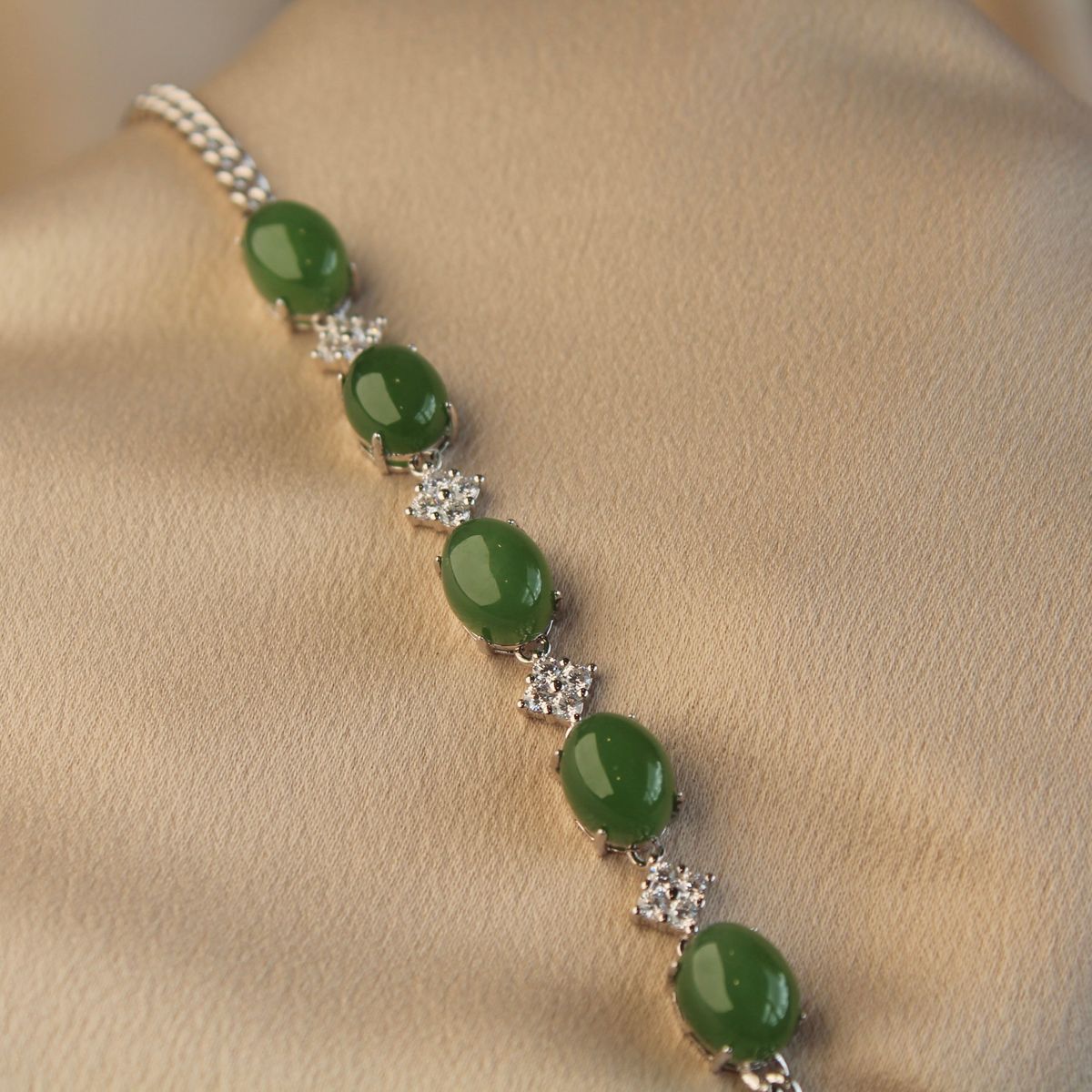
Exploring genuine jade bracelet meaning reveals why ancient healers and modern jewelry lovers wear this stone against the wrist pulse. Placed over sensitive meridian points, natural jade radiates s...