
Jade Certificates: What Lab Reports Actually Tell You
Table des matières
- Introduction: Reading a Jade Report Correctly
- Why a Jade Appraisal Isn't the Same as a Jade Lab Report
- How to Read a Jade Report Section by Section
- What Jade Treatment Terminology Actually Means
- What Testing Methods Sit Behind a Jade Report
- What a Jade Report Doesn't Tell You
- Conclusion: What a Jade Report Really Confirms
A jade lab report confirms two things with scientific certainty: which mineral a stone actually is (jadeite or nephrite) and whether it's been treated (Type A, B, or C). It doesn't assign a quality grade, and it doesn't state a price — those are separate questions a report was never designed to answer.
Introduction: Reading a Jade Report Correctly
A jade certificate looks authoritative, and the science behind it is real, but it's easy to read more into one than it actually says. This guide covers what a lab report genuinely confirms, how to read its sections, and — just as importantly — what it deliberately leaves out.

Why a Jade Appraisal Isn't the Same as a Jade Lab Report
These two documents get confused constantly, and they answer completely different questions.
What Does a Jade Appraisal Actually Measure?
A retail or insurance appraisal estimates replacement value in dollars, generally based on the seller's own description of the stone's origin and treatment — it isn't an independent scientific test, and it isn't designed to be one.
What Does a Jade Lab Report Actually Measure?
A gemological laboratory report is the opposite: a technical breakdown of mineral species and treatment status, with no price attached at all. GIA's jade report is built specifically around this distinction — identification and treatment disclosure, not valuation.
How to Read a Jade Report Section by Section
Reports from different labs vary in layout, but they generally cover the same handful of things.
What Does the Species / Variety Section Confirm on a Jade Report?
This line is the report's most basic function: it states whether the stone is jadeite, nephrite, or occasionally a lookalike like quartz — Mindat.org describes jadeite's distinct crystal structure, which is exactly what lab testing verifies at the mineral level rather than by eye.
What Does the Treatment Section of a Jade Report Actually Say?
This is usually the section buyers care most about, and it's worded precisely: "no indications of impregnation" points to Type A, while language mentioning polymer or dye points to Type B, C, or B+C. The wording matters more than a summary word — a report that says "natural" but never addresses impregnation or dye directly is worth a follow-up question.
What Jade Treatment Terminology Actually Means
The phrases on a report are specific for a reason — each one maps to a distinct process, not just a vague quality impression.
What Does "No Indications of Impregnation" Mean for Jade?
It means the lab's testing — typically infrared spectroscopy — found no trace of the polymer resin used in Type B treatment. Combined with no mention of dye, this is what "Type A" actually rests on. For the full breakdown of what separates Type A, B, C, and B+C, see our guide to jade treatment types — this article focuses on how that classification shows up on paper, not the underlying chemistry.
What Does a Jade Polymer or Dye Disclosure Look Like?
Language like "indications of polymer impregnation" or "indications of dyeing" appears directly in the comments section rather than being implied. These disclosures don't mean the stone is worthless or fake — a treated stone can still be genuine jadeite — but they do mean the structure and color stability are different from untreated material, which is worth factoring into price expectations.

What Testing Methods Sit Behind a Jade Report
The wording on a certificate is short; the testing behind it usually isn't.
Why Is FTIR the Standard for Jade?
Fourier-transform infrared (FTIR) spectroscopy is the primary method labs use to detect Type B treatment, since polymer resin absorbs infrared light at wavelengths natural jadeite doesn't. It's precise enough to catch resin a visual inspection would miss entirely, which is why it underlies the treatment line on most reports.
Why Does Specific Gravity Appear on a Jade Report?
Labs also measure specific gravity as a supporting data point: jadeite typically falls between 3.30 and 3.38 g/cm³, distinctly denser than glass, quartz, or most imitation materials. A reading outside the expected range for the stated species is a flag worth investigating further, even before treatment testing.
What a Jade Report Doesn't Tell You
Knowing the limits of a report matters as much as knowing what's in it.
Does a Jade Report Assign a Grade or Price?
No — a lab report describes species and treatment; it doesn't rate beauty, assign a letter grade, or state a dollar value. Color and transparency are described in plain language ("intense green," "semi-transparent"), not scored, which is why two Type A stones with identical reports can differ enormously in price.
What Should You Still Ask a Jade Seller?
Ask directly about price relative to comparable pieces, and whether the certificate came from a gemologist independent of the sale or one working in-house at the boutique — both are legitimate, but knowing which one you're looking at is useful context the report itself won't state.
Conclusion: What a Jade Report Really Confirms
A jade lab report is a scientific statement about species and treatment, not a verdict on beauty or a price tag — reading it accurately means knowing exactly where its authority ends and a seller's own judgment begins.
Jade Certificate FAQ
Does a GIA report mean a jade piece is expensive?
No — a report confirms species and treatment, not value; two pieces with identical "Type A jadeite" reports can differ significantly in price based on color, transparency, and size alone.
What's the difference between "natural" and "Type A" on a jade report?
They generally mean the same thing in practice, but "Type A" is the more precise term — it specifically confirms no acid bleaching, resin impregnation, or dye was detected, rather than just being a general descriptor.
Can a jade report be wrong?
Reports from accredited labs using proper testing (FTIR, specific gravity) are reliable, but report quality varies between labs — an unfamiliar or unaccredited lab's report is worth more scrutiny than one from a well-established lab.
Does a treated (Type B or C) jade report mean the piece is fake?
No — treatment doesn't mean fake, it means altered. A Type B or C stone is still genuine jadeite or nephrite, just with different structural and color stability than untreated material, which should be reflected in the price.
Should every jade purchase come with a lab report?
For a significant purchase, yes — it's worth asking for one either way. For lower-value pieces, an in-house gemologist's assessment from a boutique with a clear return policy is often a reasonable middle ground.
Read more
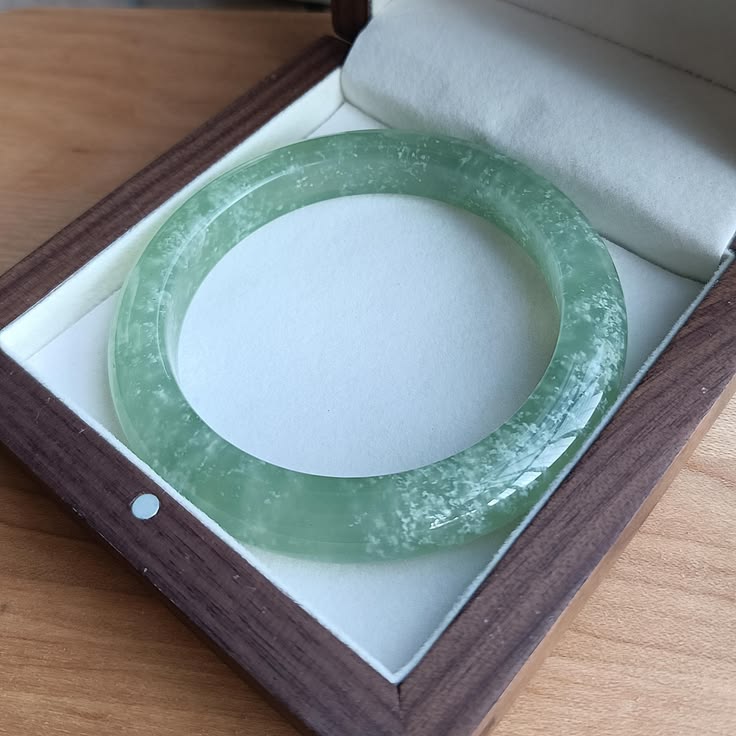
Raw jade doesn't look like a polished bangle — it's a weathered boulder with a skin, found in specific geological settings. Here's what actually identifies it in the field.
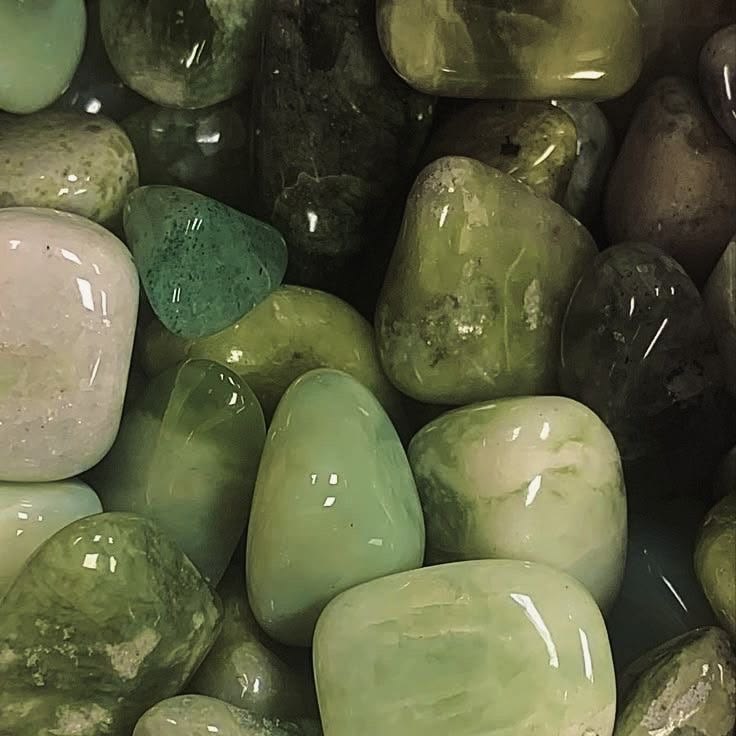
Choosing where to buy jade matters as much as checking any single piece. Here's how to evaluate a seller — marketplace or boutique — before you spend anything.