

Jade Price per Gram: How Weight, Grade and Color Set the Number
Table des matières
Calculating the exact jade price per gram requires understanding that stone valuation relies on a complex mix of mineral species, translucency, texture, and color rather than simple weight alone. Unlike standardized precious metals, genuine jade spans an extraordinary spectrum, ranging from affordable everyday pieces priced at a few dollars per gram to museum-grade imperial specimens worth thousands of dollars per single carat. This comprehensive guide explores the core differences between nephrite and jadeite, analyzes how weight and treatment grades interact, and provides clear budget expectations for buyers. By examining gemological standards, you will gain the essential knowledge needed to evaluate authentic pieces, avoid artificial treatments, and find exceptional handcrafted jewelry that fits any personal budget. Understanding these pricing mechanics ensures that you can shop with absolute clarity and confidence.
Introduction
Holding a smooth green bangle or a carved pendant often leads to a fascinating question about how gemstone markets calculate worth by weight. Investigating the jade price per gram reveals that stone pricing defies conventional rules applied to gold or diamonds. While a standard commercial-grade piece remains wonderfully accessible, rare historical varieties command astronomical sums that reflect extreme geological scarcity. Gemological institutes and market experts emphasize that jade encompasses two distinct mineral families, including nephrite and jadeite, each carrying vastly different valuation models. Exploring these practical economic nuances explains why two stones of identical weight can carry completely different market values.

Mineral Species: Nephrite Versus Jadeite Pricing
The foundational driver of any jade price per gram calculation begins with correct mineral identification. The global market recognizes two distinct mineral species: nephrite and jadeite, which form under entirely different geological conditions.
Assessing Nephrite Jade Value by Weight
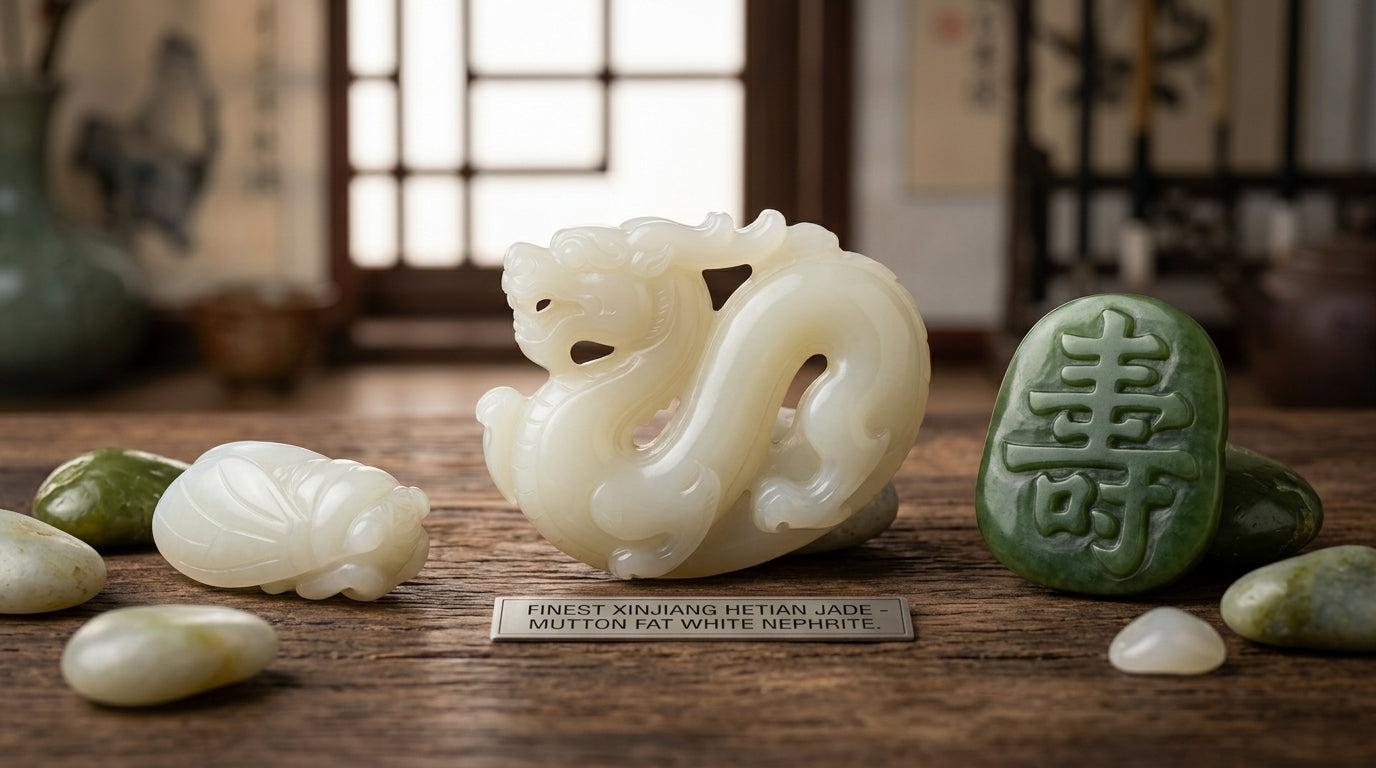
Nephrite is an amphibole silicate that has served as the historic cornerstone of traditional Asian stone carving for thousands of years. Because geological deposits of nephrite are relatively abundant across multiple continents including Canada, Russia, and China, raw material remains widely available. Standard green or grayish commercial nephrite usually trades at modest rates, translating to just a few dollars per gram for bulk rough material. Finished everyday jewelry pieces crafted from standard nephrite remain exceptionally budget-friendly for regular buyers seeking authentic jade.
Evaluating Jadeite Jade Weight and Rarity
Jadeite is a pyroxene mineral that forms under intense high-pressure tectonic conditions found almost exclusively in remote regions of Myanmar. Because high-quality gem-grade jadeite is severely restricted by nature, its market value scales exponentially with weight and size. While low commercial grades of jadeite are reasonably priced, top-tier selections reach extraordinary figures. Consequently, a small, flawless cabochon of jadeite can easily outweigh a massive block of common jade in pure monetary worth.
The Critical Impact of Treatment Grades
Gemologists classify jadeite into strict international treatment tiers that heavily dictate the final jade price per gram. Type A jadeite is completely natural, undergoing only traditional surface waxing to optimize its natural luster. Type B and Type C stones are chemically bleached, acid-washed, resin-impregnated, or artificially dyed to mask internal structural flaws. Processed pieces drop drastically in value, trading at a tiny fraction of untreated Type A jade material regardless of their weight.
Key Factors That Drive the Cost of Jade
Analyzing how gemologists determine the ultimate jade price per gram requires examining four primary physical and structural evaluation pillars.
Color Intensity and Saturation
Color serves as the most powerful pricing multiplier in the entire gemstone market. For jadeite, vivid emerald tones known as imperial green command the highest global premiums per carat and gram. Other prized natural hues include rich lavender, sunny yellow, and warm honey tones. Muted, patchy, or chalky color distributions significantly reduce the overall value of any jade piece.
Translucency and Internal Texture
Transparency and internal crystal structure deeply influence stone beauty and cost. Highly translucent jade allows light to penetrate deep into the interior, producing a soft, glowing radiance known as the water head. Fine-grained nephrite and jadeite textures feature tightly interlocking microcrystals that feel exceptionally smooth to the touch. Coarse, opaque stones scatter light poorly, resulting in lower market valuations.
The Economics of Carving and Waste
Human artistry and cutting waste play a massive role in final pricing. Raw jade boulders feature thick, opaque outer skins that completely conceal interior quality. Lapidary artisans often sacrifice massive amounts of raw weight during cutting to isolate small pockets of premium material. This high natural waste factor means finished jade items must account for the discarded weight of the original boulder.
Jade Value and Price Reference Guide
Shopping Smart and Evaluating Jade Safely
Purchasing jade requires careful attention to detail to ensure you receive authentic material that matches your financial investment. Knowing what to look for protects your personal budget.

Requesting Gemological Certification
High-value jade purchases should always be supported by independent laboratory documentation. Trusted gemological certificates verify whether a stone is natural Type A jadeite or treated material. Complete transparency regarding specific gravity and structural treatments gives buyers absolute peace of mind.
Setting Realistic Everyday Budgets
Understanding market pricing helps you establish realistic expectations before shopping. While museum-grade specimens reach staggering figures, charming everyday nephrite and commercial jadeite pieces remain wonderfully accessible for personal enjoyment. Balancing personal style preferences with gemological quality ensures lasting satisfaction.
Conclusion
Navigating the financial realities of jade involves balancing mineral species, treatment statuses, color saturation, and master craftsmanship. Whether you appreciate the earthy warmth of nephrite or the luminous transparency of natural jadeite, understanding these market dynamics ensures an informed choice. We invite you to explore the Zeneuf online boutique, where our curated collection of authentic jade jewelry celebrates timeless heritage, certified quality, and expert craftsmanship at prices accessible to everyone. Discover your next cherished treasure today.
FAQ
How is the price of jade calculated by weight?
Jade is rarely sold purely by a fixed per-gram commodity rate; instead, overall value is driven by mineral type, color intensity, translucency, and carving complexity.
Is nephrite less expensive than jadeite?
Yes, nephrite is generally more affordable than high-end jadeite due to greater geological abundance, though elite historical varieties still command high collector prices.
What does Type A jadeite mean for my purchase?
Type A jadeite is completely natural and untreated except for traditional surface waxing, ensuring it retains its full structural integrity and long-term beauty.
Can I wear my jade jewelry every day?
Yes, jade possesses high toughness and durability, making it ideal for daily wear in rings, bracelets, and pendants without worrying about minor impacts.
How can I tell if my jade is real or fake?
Genuine jade feels cool to the touch, possesses high density, and resists scratches from ordinary steel; always rely on trusted gemological certificates for valuable items.
Why do some small jade pieces cost more than larger ones?
Superior color saturation, flawless crystal transparency, and untreated natural status elevate a small stone's value far above a large, opaque commercial piece.
How should I clean and maintain my jade jewelry?
Clean your jade gently using warm water, mild soap, and a soft cloth, avoiding harsh chemical cleaners and sudden extreme temperature changes.
Where can I buy certified authentic jade online?
You can explore specialized boutiques like Zeneuf that provide transparent gemological details, clear treatment disclosures, and authentic jade jewelry tailored for everyday shoppers.
Read more

Wondering how much jade is worth? This comprehensive 2026 price guide explores accessible jade values, quality factors, and budget-friendly styles to help you shop with absolute confidence.

Wondering how much a jade bracelet cost? This comprehensive guide explores real nephrite and jadeite bracelet prices, quality factors, and budget-friendly styles.