
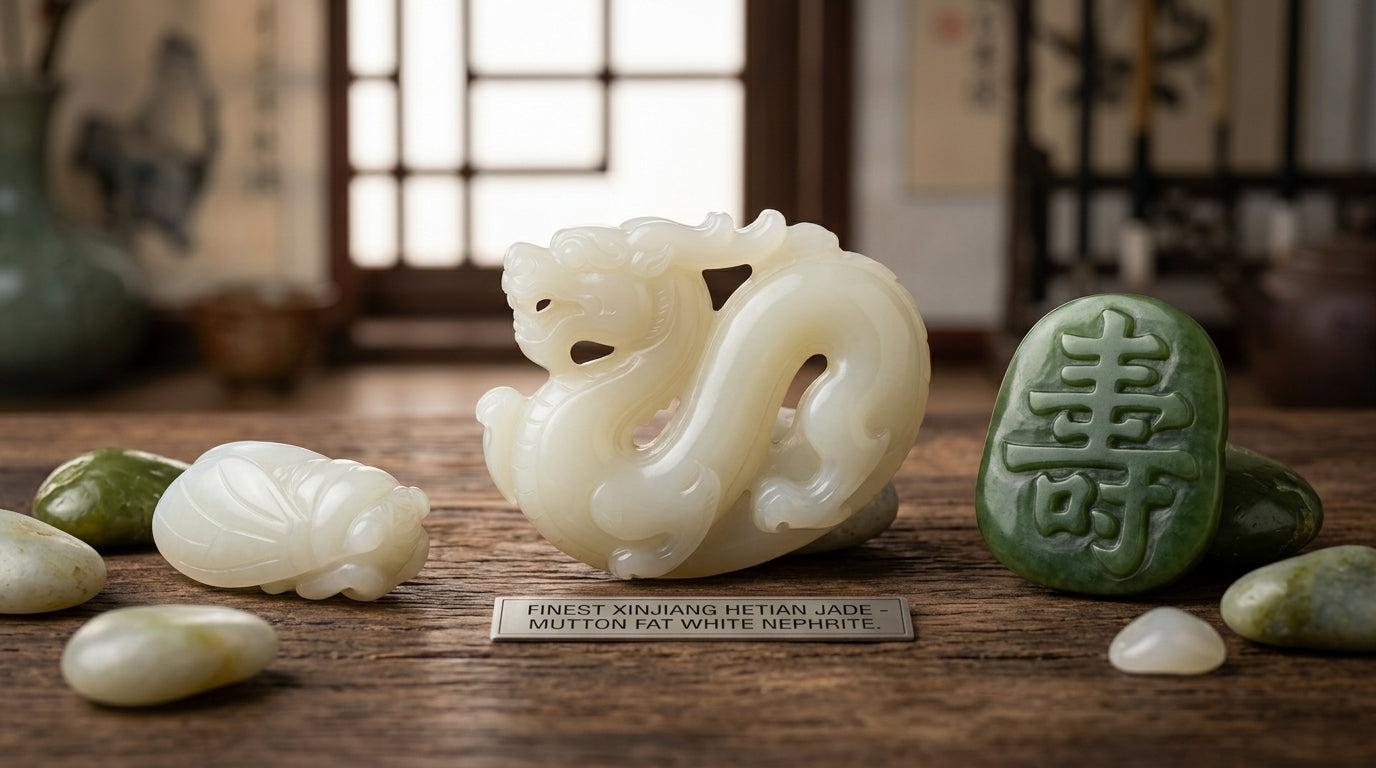

Why Is Jade So Expensive? Inside the Price of a Sacred Stone
Table des matières
Understanding why is jade so expensive requires looking far beyond standard gemstone pricing charts to examine rare geological origins and intensive crafting traditions. While many everyday jade pieces remain highly affordable, top-tier natural jadeite reaches extraordinary auction prices that rival fine diamonds. This comprehensive guide explores the extreme pressure conditions required to form jade, the impact of treatment grades on market value, and the master craftsmanship needed to shape raw boulders. By examining gemological standards, rarity metrics, and historical significance, you will gain deep insight into stone economics. Exploring these market dynamics ensures that you can understand the true value behind fine jade jewelry and appreciate why exceptional pieces command such prestigious investment costs. For those seeking to understand the nuances of this precious material, differentiating between jade and nephrite, and understanding the specific qualities that define jadeite, is crucial for appreciating its market value.
Introduction
Encountering a breathtaking green bangle with a multi-thousand-dollar price tag often shocks first-time buyers exploring fine gemstone markets. Investigating why is jade so expensive reveals a complex combination of extreme geological scarcity, cultural reverence, and meticulous hand-carving techniques. Unlike mass-produced synthetic stones, natural jade forms under hyper-specific underground pressures found in very few global locations. Gemological experts and cultural historians emphasize that top-quality jade carries thousands of years of human heritage alongside its physical beauty. Exploring these fascinating economic and geological factors explains why certain exceptional stones achieve legendary status and record-breaking market values. My own journey into the world of jade began with a similar sense of wonder, prompting me to delve into the geological and cultural stories behind these captivating gems.

The Rare Geology Behind Jade Pricing
The physical creation of genuine jade involves extraordinary geological events that directly influence market costs and stone rarity. Understanding these subterranean origins helps clarify why is jade so expensive for collectors worldwide. The formation of jade is a testament to the Earth's dynamic processes, requiring a unique confluence of pressure and temperature that is not commonly replicated.
Extreme Tectonic Formation Conditions
Natural jadeite forms exclusively deep within the earth under intense, volatile high-pressure and low-temperature tectonic collision zones. These specific subterranean environments occur in very few regions across the globe, with the primary commercial deposits located in remote northern Myanmar. Because mining in these rugged terrain areas requires dangerous, labor-intensive excavation without modern industrial machinery, raw material recovery costs remain exceptionally high. The geological conditions required for jadeite formation are so specific that significant deposits are found in only a handful of locations worldwide, with Myanmar being the most prominent.
Nephrite Versus Jadeite Supply Realities
Geological abundance differs dramatically between the two official jade mineral species. Nephrite jade deposits exist across multiple continents, keeping commercial nephrite accessible for everyday buyers. Conversely, gem-quality jadeite suitable for fine jewelry is remarkably scarce. This strict natural supply limitation for superior jadeite creates a fierce global demand that drives prices upward at international gem auctions. While both are classified as jade, the vastly different supply realities between nephrite and jadeite are a primary reason for the significant price discrepancies observed in the market. For instance, the renowned Imperial Green jadeite is exponentially rarer than even the finest nephrite.
The Hidden Waste in Raw Boulders
Extracting a flawless gemstone from a rough jade boulder involves immense financial risk for lapidary artisans. Raw jade stones feature thick, opaque outer crusts that completely conceal the interior color, texture, and structural flaws. Master cutters often slice open large boulders only to find fractured or low-grade material inside. This high rate of natural waste forces suppliers to price finished pieces to cover the cost of discarded raw stones. This inherent uncertainty means that for every exquisite piece of jade jewelry, there might be several large, worthless boulders that were opened and discarded, a significant factor in the overall cost.
Gemological Quality Factors That Elevate Cost
Evaluating gemological characteristics explains why is jade so expensive when comparing two seemingly identical green stones on the market. Expert gemologists rely on specific structural metrics to determine absolute stone value. Beyond its geological rarity, the intrinsic qualities of the stone itself—color, clarity, and texture—play a pivotal role in its valuation.
The Pinnacle of Imperial Green Hue
Color intensity serves as the single most powerful pricing multiplier for fine jadeite. The legendary imperial green variety displays an intense, saturated emerald tone with perfectly even distribution throughout the stone. This rare coloration requires exact concentrations of trace chromium elements during formation, making true imperial jade an extraordinary geological anomaly. The vibrant, almost electric green of Imperial jadeite is a result of specific trace mineral inclusions, primarily chromium, during its formation under immense pressure. This specific hue is exceptionally rare, contributing significantly to its high value.
Translucency and Internal Grain Structure
Light interaction dictates much of a stone's financial worth and visual allure. High-grade jade possesses a fine-grained, tightly interlocking microcrystalline structure that allows light to penetrate deep beneath the surface. This creates a mesmerizing internal glow known as water head. Opaque stones scatter light poorly and command only a fraction of the market price. The ability of light to penetrate and reflect within the jade, often described as 'water head' or 'glow,' is a key indicator of quality. Jadeite with superior translucency and a fine, even grain structure appears more luminous and commands a higher price than opaque varieties.
The Cost of Natural Authenticity
Untreated natural status heavily influences final gemstone valuation in modern markets. Type A jadeite remains completely natural, featuring only traditional surface waxing to enhance polish. Treated Type B and Type C stones undergo harsh chemical bleaching and polymer impregnation to fake high clarity. Certified natural authenticity commands a massive premium because genuine untampered stones resist fading and preserve their structural integrity for centuries. When purchasing jade, always look for certification that confirms it as 'Type A,' meaning it is entirely natural and untreated. Treatments, while sometimes used to improve appearance, can compromise the stone's long-term stability and value. For instance, Type B jadeite, which has been chemically treated to improve clarity, is significantly less valuable than its natural counterpart.
Jade Price and Value Reference Guide
Craftsmanship and Cultural Heritage
Human artistry transforms raw geological minerals into priceless works of wearable art, adding substantial value to finished pieces. The centuries-old traditions surrounding jade carving explain why is jade so expensive when examining master craftsmanship. The value of jade is not solely intrinsic; it is significantly enhanced by the skill and dedication of artisans who transform raw stones into objects of beauty and cultural significance.

Traditional Hand-Carving Mastery
Shaping tough jade requires specialized diamond-tipped tools and weeks of painstaking manual labor by seasoned artisans. Unlike softer gemstones that can be faceted quickly by machine, jade demands intuitive carving to follow natural color flows. A master carver must balance artistic vision with structural preservation, ensuring no precious green material is wasted during the reduction process. The process of carving jade is incredibly labor-intensive. Artisans often spend weeks or even months on a single piece, using specialized tools to meticulously shape the stone, following its natural contours and color variations to create intricate designs. This dedication to craftsmanship is a significant contributor to the high value of finished jade pieces.
Cultural Prestige and Historical Demand
Jade holds a sacred status in Asian history, symbolizing purity, moral integrity, and eternal protection for emperors and nobility. This deep cultural reverence creates enduring generational demand across global collector markets. When historical prestige combines with modern luxury appreciation, market competition intensifies, pushing elite stone prices higher. For centuries, jade has been revered in many East Asian cultures, associated with virtues like wisdom, justice, and compassion. This profound historical and cultural significance fuels a continuous demand among collectors and those who appreciate its symbolic value, further driving up prices for exceptional pieces.
Conclusion
Exploring why is jade so expensive reveals a fascinating interplay of extreme tectonic origins, severe mineral scarcity, rigorous gemological grading, and master craftsmanship. From the hidden risks of boulder extraction to the unmatched brilliance of imperial green jadeite, every valuable stone tells a remarkable geological story. Whether you seek a simple everyday accessory or a treasured heirloom, understanding these market dynamics helps you appreciate true stone quality. To ensure you are investing wisely and ethically, always seek out reputable dealers who provide detailed provenance and certification for their jade. For example, at Zeneuf, we pride ourselves on offering a meticulously curated collection of authentic jade jewelry, complete with transparent documentation regarding origin and treatment. We invite you to explore the Zeneuf online boutique, where our curated collection of authentic jade jewelry celebrates timeless heritage, certified quality, and expert craftsmanship at accessible prices. Discover your next cherished treasure today. If you're interested in learning more about specific types of jade, such as the difference between jadeite and nephrite, or how to care for your jade pieces, please explore our detailed guides on [internal link to jade types guide] and [internal link to jade care guide].
FAQ
Why do some jade pieces cost millions while others are affordable?
Price differences stem from mineral rarity, intense color saturation, translucency, and whether the stone is natural Type A jadeite or treated commercial material.
Is all jade expensive to buy?
No, genuine nephrite jade and commercial-grade jadeite are widely available at affordable prices, making authentic jade accessible for everyday budgets.
What makes imperial jadeite the most expensive variety?
Imperial jadeite features an exceptionally rare, vivid emerald green hue combined with high translucency and a flawless microcrystalline structure found in very few stones worldwide.
Why are raw jade boulders risky to purchase for cutters?
Opaque outer crusts hide internal fractures and poor color distribution, meaning cutters often risk purchasing worthless stone until the boulder is cut open.
Does treatment grade affect the price of jade?
Yes, chemically treated Type B and C jade sell for very low prices because treatments damage structural integrity, whereas natural Type A jade retains full value.
How do master carvers influence jade prices?
Intricate hand-carving requires weeks of skilled labor and artistic precision, elevating raw mineral blocks into high-value cultural artifacts and fine jewelry.
Why is Myanmar jadeite considered the finest in the world?
Geological conditions in northern Myanmar produce the most vibrant colors and finest crystal structures ever discovered, setting the global gold standard for jadeite.
Where can I buy authenticated natural jade with confidence?
You can explore trusted specialized boutiques like Zeneuf that provide transparent gemological details, clear treatment disclosures, and authentic jade jewelry for every shopper.
Read more
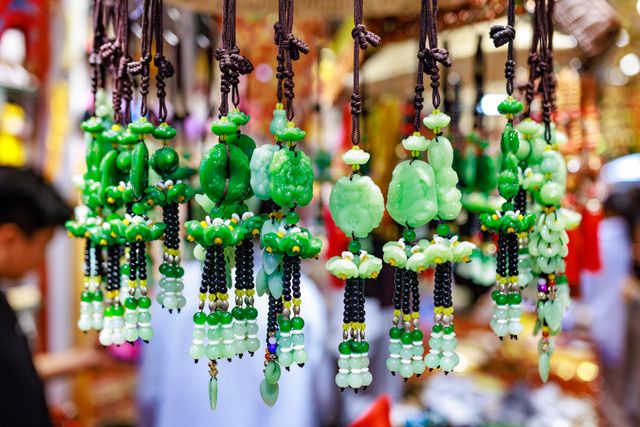
Wondering how much jade is worth? This comprehensive 2026 price guide explores accessible jade values, quality factors, and budget-friendly styles to help you shop with absolute confidence.

Wondering how jade price per gram is calculated? This comprehensive guide explores weight, mineral grades, and quality factors to help you evaluate authentic jade jewelry with confidence.