
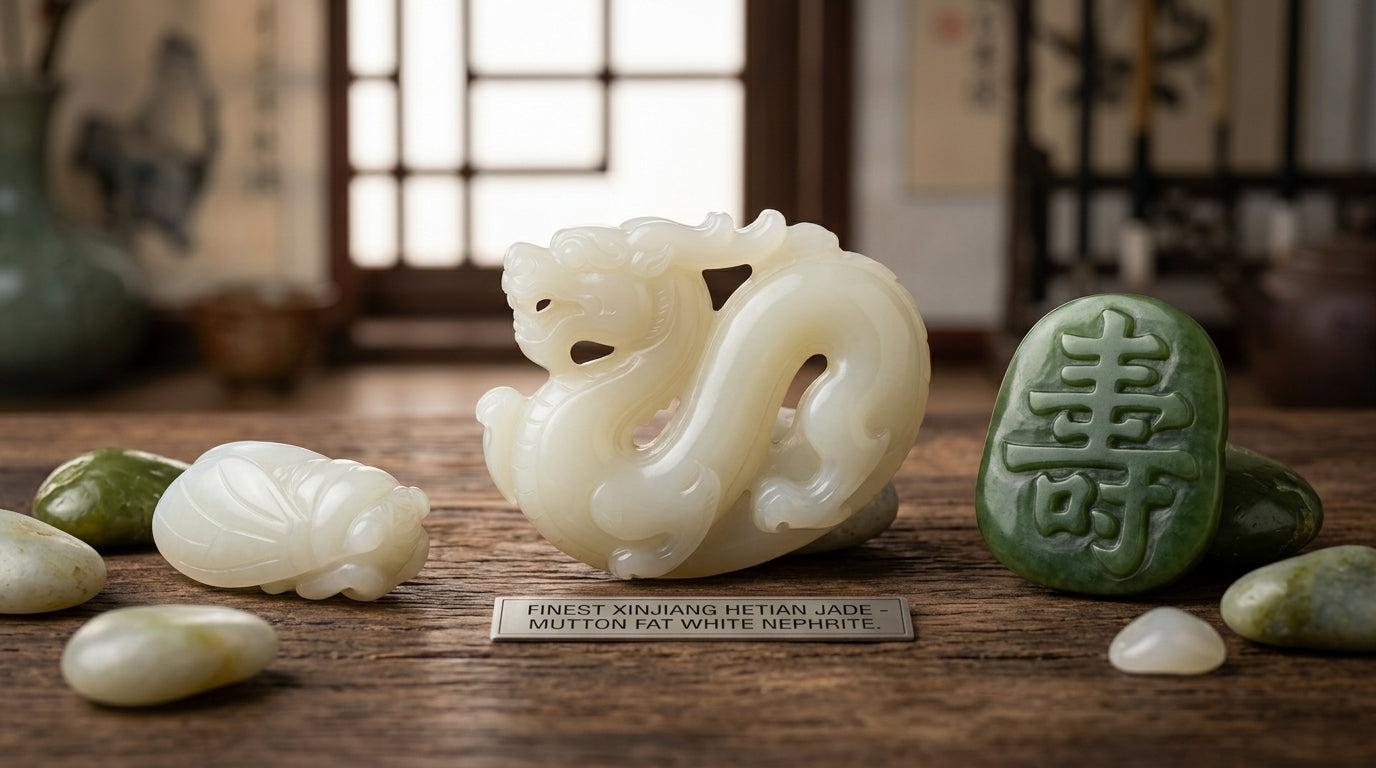
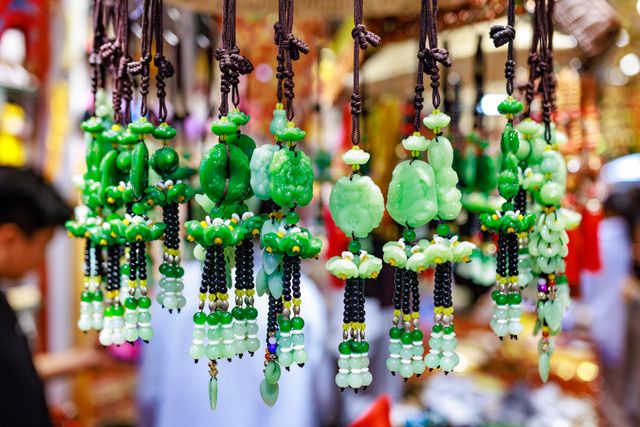
How Much Is Jade Worth? The 2026 Price Guide for Everyone
Table des matières
Determining how much jade is worth requires understanding that jade is priced based on its unique natural characteristics rather than strict per-carat charts alone. In today's market, genuine jade ranges from affordable everyday pieces costing under fifty dollars to rare museum items worth thousands, making authentic jade accessible to everyone. This comprehensive 2026 price guide explores the core differences between nephrite jade and natural grade a jadeite, analyzes the primary valuation factors, and provides clear budget expectations. By examining gemological standards and market dynamics, you will gain the essential knowledge needed to evaluate authentic pieces, avoid overpriced treatments, and find exceptional handcrafted jade jewelry that fits any budget. Understanding these market factors ensures that you can find gorgeous jade pieces without feeling overwhelmed or spending a fortune on your favorite everyday accessories. For instance, a simple carved nephrite pendant might cost around $100, while a highly translucent, vibrant green jadeite bracelet could easily exceed $5,000, illustrating the vast price spectrum.
Introduction
Finding a stunning green pendant or a smooth bangle often leads to a surprising realization: jade price tags vary widely depending on the stone. While a simple nephrite piece costs very little, a vibrant piece of jade can range significantly based on its natural quality and origin. Understanding how much jade is worth protects you from overpaying and highlights the true craftsmanship behind fine natural gemstone jewelry. Gemological institutes and market experts emphasize that jade is a complex category encompassing two distinct mineral species that suit all kinds of budgets. Exploring these practical nuances reveals why two visually similar stones can carry different market values and how you can own them. Consider the detailed reports from the GIA (Gemological Institute of America) which consistently highlight these differentiating factors.

Jadeite Versus Nephrite: The Core Price Divide
The fundamental driver of jade worth begins with its mineral classification. The jade family consists of two distinct minerals: nephrite and jadeite. Each mineral possesses unique geological origins and market valuations that you should understand. For example, nephrite often forms in metamorphic rocks associated with serpentinite, while jadeite is found in high-pressure, low-temperature metamorphic environments, primarily in Myanmar.
Understanding Nephrite Jade Value
Nephrite jade is a classic silicate mineral that has been treasured for thousands of years in traditional art. Because nephrite deposits are abundant globally, commercial nephrite remains exceptionally accessible for regular budgets. When exploring how much jade is worth, standard green or grayish nephrite pieces usually range from modest entry-level prices up to a few hundred dollars. These accessible pieces offer great durability and timeless appeal for daily wear. For instance, a well-carved nephrite pendant could be found for $50-$200, making it a popular choice for gifts and personal adornment.
Exploring Jadeite Jade Pricing
Jadeite jade is a pyroxene mineral that forms under rare, intense high-pressure geological conditions. Sourced primarily from Myanmar, fine jadeite displays unmatched vibrancy and glass-like crystal structures. While lower commercial grades remain affordable for everyday shoppers, top-tier natural jadeite reaches much higher price points. Understanding these differences helps you choose stones that match your personal style and financial comfort. Prices for exceptional jadeite can easily soar into the tens of thousands or even millions for museum-quality specimens.
The Impact of Treatment Grades
Gemologists classify jadeite into three official treatment categories that heavily dictate market worth and durability. Type A jadeite is entirely natural, possessing only a traditional surface wax coating for enhanced polish. Type B jadeite undergoes acid bleaching and polymer resin impregnation to hide flaws, which reduces its intrinsic value and long-term stability. Type C jadeite is both chemically treated and artificially dyed. Recognizing these treatment grades ensures you invest exclusively in authentic, untampered natural stones. A Type A jadeite bangle can be worth many times more than a Type B equivalent.
The Four Major Value Factors
Evaluating how much jade is worth requires analyzing four primary gemological pillars. Gemologists rely on these specific visual and structural metrics to assess the true market tier of any gemstone.
Color Intensity and Hue
Color serves as a critical pricing factor for jadeite and nephrite alike. Vivid green, characterized by an intense hue with even distribution, sits firmly at the higher end of value. Other coveted natural tones include gentle lavender, rich red, and sunny yellow. Muted, patchy, or chalky colors generally indicate lower commercial grades and much more affordable market values. The most prized jadeite color is often a vibrant, emerald-like green, often referred to as 'Imperial Green'.
Translucency and Texture
Transparency and internal crystal structure deeply influence stone beauty and everyday price tags. Highly translucent jade allows light to pass deep into the stone, creating a soft, glowing inner radiance. Fine-grained textures feature tightly interlocking microcrystals that feel smooth to the touch. Coarser stones scatter light poorly, resulting in a simpler appearance and a significantly lower price. The ideal texture for high-value jadeite is often described as glassy or granular.
Craftsmanship and Carving Artistry
Human artistry plays a massive role in final jade pricing for jewelry and accessories. Skilled carvers spend hours shaping raw boulders to highlight natural color transitions while preserving structural integrity. Intricate motifs, flawless polish, and clean design symmetry elevate simple raw minerals into wonderful wearable art pieces for everyone. A piece carved by a master artisan, such as those recognized by the China National Arts and Crafts Association, will command a premium.
Size and Weight
While not always the primary factor, the size and weight of a jade piece do contribute to its overall value, especially for high-quality stones. Larger, well-formed pieces of exceptional color and translucency will naturally be rarer and thus more valuable. However, craftsmanship and the other three factors often outweigh sheer size.
Jade Price Reference Guide
Buying and Evaluating Jade Safely
Purchasing jade requires caution due to the presence of treated stones and synthetic glass imitations. Knowing what to look for protects your personal investments and guarantees long-term satisfaction. For example, always ask about the origin and treatment of the jade you are considering. Reputable sellers, like those associated with the Jade Trade Association, will readily provide this information.

Requesting Gemological Certification
Jade purchases should ideally be accompanied by a clear product description or gemological details. Independent laboratories verify whether a stone is natural Type A jadeite or treated material. Trusted sellers provide complete transparency regarding specific gravity, refractive index, and structural treatments to help you shop with total peace of mind. Always look for a certificate from a reputable lab like GIA or AGL.
Setting Realistic Budget Expectations
Understanding market pricing helps you set realistic expectations before shopping online or in stores. While charming nephrite pieces and commercial grade jadeite remain accessible for regular everyday budgets, vivid colors reflect natural rarity. Balancing personal style preferences with gemological quality ensures lasting satisfaction without overspending. For example, if you admire the deep green color, be prepared that Type A jadeite in that shade will command a higher price than similar-colored nephrite.
Seeking Expert Advice
When in doubt, consult with a qualified gemologist or a reputable jade dealer. Their expertise can help you discern quality, identify treatments, and understand the true market value of a piece. Many collectors share their insights on forums like Reddit's r/gemstones, offering a community perspective.
Conclusion
Navigating the financial value of jade involves balancing mineral varieties, treatment grades, color intensity, and master craftsmanship. Whether you are drawn to the earthy warmth of nephrite or the luminous transparency of commercial jadeite, understanding these market dynamics ensures you make a confident, informed choice. We invite you to explore the Zeneuf online boutique, where our curated collection of authentic jade jewelry and handcrafted decorative objects celebrates timeless heritage, certified quality, and expert craftsmanship at prices accessible to everyone. Discover your next cherished treasure today. We offer a 30-day satisfaction guarantee and free insured shipping on all orders over $200.
FAQ
How can I tell if my jade is real or fake?
Genuine jade feels cool to the touch, possesses high density, and resists scratches from ordinary steel items. For valuable stones, you should always rely on trusted seller descriptions and laboratory testing rather than simple home tricks.
Why do some jade pieces cost fifty dollars while others cost much more?
Price differences stem from mineral type, color vibrancy, translucency, and treatment status. Natural untreated stones with fine texture take more effort to source and shape than commercial alternatives.
What does Type A jadeite mean?
Type A jadeite is completely natural and untreated, having undergone only traditional surface waxing to enhance polish. It retains its full structural integrity and long-term beauty.
Is nephrite jade less expensive than jadeite?
Nephrite is generally more affordable than high-end jadeite due to greater geological abundance, yet it offers incredible toughness and classic beauty for your everyday jewelry.
Can I wear my jade jewelry every day?
Yes, jade possesses high toughness and durability, making it ideal for daily wear in rings, bracelets, and pendants without worrying about minor bumps.
How should I clean and maintain my jade jewelry?
You should clean your jade gently using warm water, mild soap, and a soft cloth. Avoid harsh chemical cleaners, ultrasonic jewelry machines, and sudden extreme temperature changes.
Do affordable jade pieces use real natural stone?
Yes, many affordable jade options like commercial nephrite and basic jadeite are completely natural stones shaped into lovely everyday wearable jewelry for everyone.
Where should I buy certified authentic jade online?
You can look for specialized boutiques like Zeneuf that provide transparent gemological details, clear treatment disclosures, and educational guidance tailored for everyday shoppers.
Read more
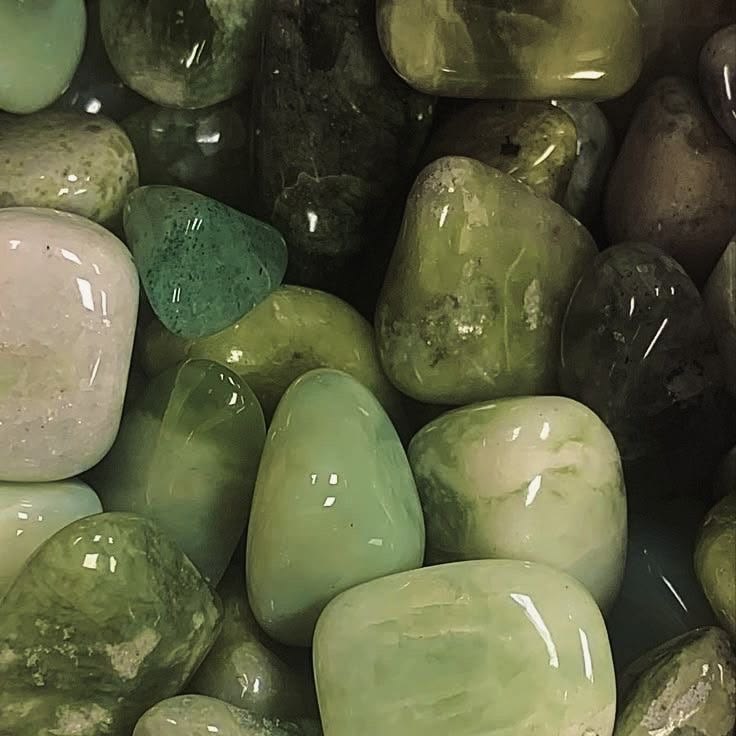
Choosing where to buy jade matters as much as checking any single piece. Here's how to evaluate a seller — marketplace or boutique — before you spend anything.

Wondering how much jade is worth? This comprehensive 2026 price guide explores accessible jade values, quality factors, and budget-friendly styles to help you shop with absolute confidence.