
Real vs. Fake Jade: A Side-by-Side Comparison
Table des matières
Real jade — jadeite or nephrite — is denser, cooler to the touch for longer, harder to scratch, and rings clearly when tapped, compared to glass, resin, or plastic imitations. The table below lines up these differences side by side; the sections after it explain what each one means in practice.
Introduction
If you already own a piece, or you're comparing two pieces to decide which one looks genuine, a side-by-side table is often faster than working through each test one at a time. This guide puts the key differences next to each other first, then explains what's behind each one — for the full step-by-step method, see our companion guide on testing a single piece at home.
Real Jade vs. Fake Jade at a Glance
The table below lines up the properties that matter most, side by side, so you can see at a glance where a genuine piece and an imitation typically part ways.
How Do the Two Compare Across Key Properties?
Sources: GIA, Jade Quality Factors; Mindat.org, Jadeite Jade and Nephrite.
What Does This Table Mean for a Buying Decision?
No single row in this table is conclusive on its own — some glass also feels cool at first, and a well-made fake can be weighted to feel heavier. What matters is the pattern: a genuine piece tends to check out on most or all of these points at once, while a fake usually fails on at least two or three.

How Do Real and Fake Pieces Differ in the Hand?
These three checks only need your hands and a few seconds of attention — a good starting point before moving on to how a piece looks and sounds.
Weight and Density
Hold the piece and compare its heft to what its size suggests. Jadeite (3.30–3.38 g/cm³) and nephrite (2.90–3.03 g/cm³) are both noticeably denser than glass (about 2.5 g/cm³) or plastic. A bangle that feels light for its size is a warning sign, though it isn't proof by itself.
Temperature
Squeeze the piece in your closed hand for about 30 seconds. Genuine jadeite and nephrite conduct heat well and feel distinctly cool at first, warming up more slowly than plastic or resin. A piece that reaches body temperature almost instantly is more likely to be an imitation.
Sound
Tap the piece gently against another stone or a small metal object. Untreated material tends to produce a clear, ringing tone thanks to its dense, interlocked structure. A dull or muffled sound is more typical of resin-impregnated (Type B) material or plastic, where internal fillers dampen the vibration.
How Do Real and Fake Pieces Differ Visually?
These two checks rely on light and close observation rather than touch, and they're just as easy to do with a phone camera.
Under Light
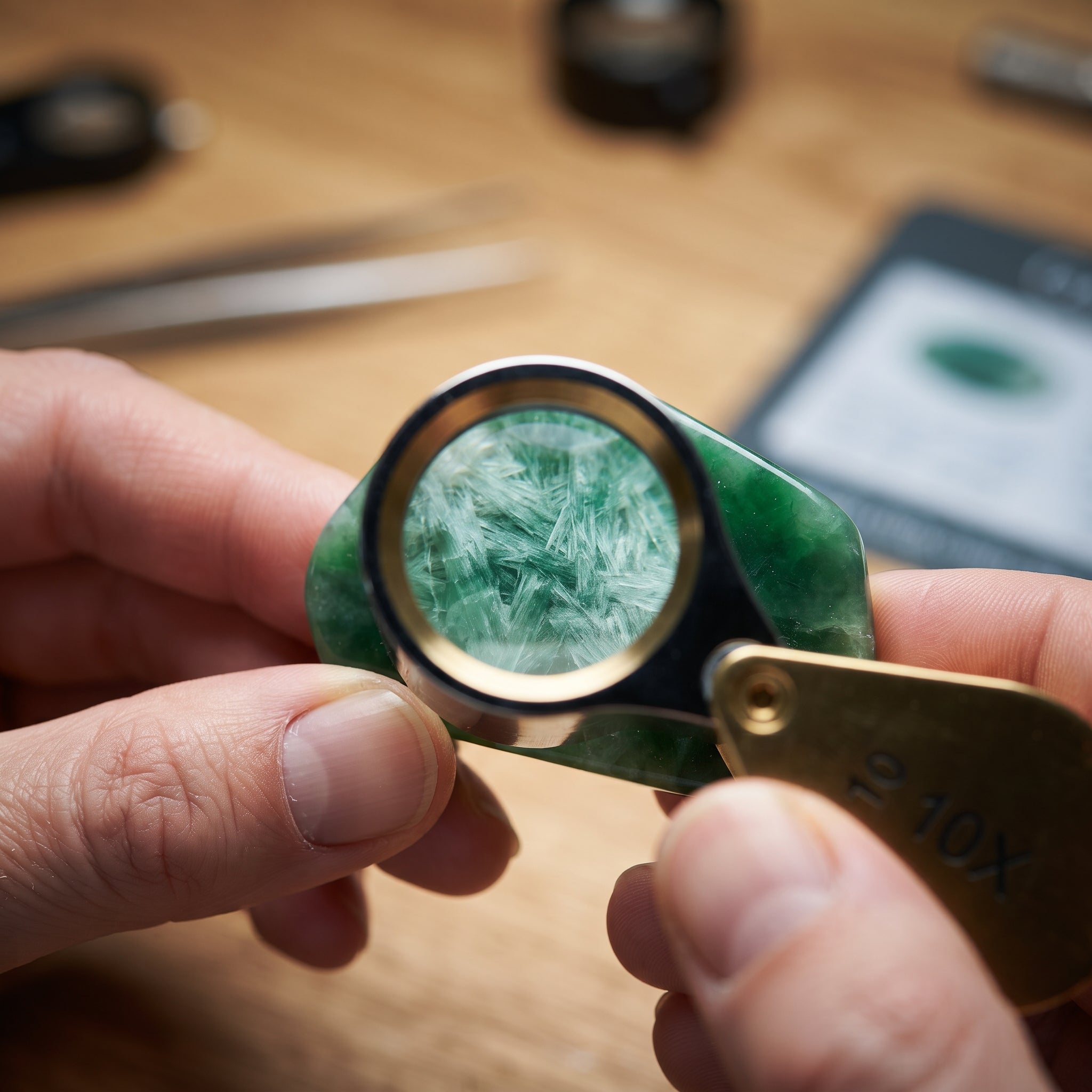
In a dim room, shine a phone flashlight through the piece at an angle. It shows an uneven, fibrous, slightly cloudy texture. Round, evenly spaced bubbles usually point to glass; a flat, completely uniform glow with no internal texture often points to dyed quartz or resin.
Color Pattern
Look closely, ideally with your phone camera in macro mode. It almost always shows some natural variation — faint mottling or slightly uneven tone. Color that pools only inside carved grooves and hollows, or that looks perfectly flat everywhere, is a sign of surface dyeing (Type C).
When Does This Comparison Require a Lab?
Everything above can be done by anyone, at home, with things most people already own — no special equipment, training, or age required. A lab isn't a step you need to add to your own checklist; it's simply what a professional turns to when a truly final answer matters, such as before a large purchase, a resale, or an insurance valuation.
What Do FTIR and Refractive Index Confirm That the Eye Cannot?
Gemological labs, including GIA, use Fourier-transform infrared spectroscopy (FTIR) to detect the resin used in Type B treatment, and refractometry to measure the exact refractive index — jadeite at around 1.66 and nephrite at around 1.61, figures too close to tell apart reliably by eye. These instrumental checks confirm what a side-by-side comparison can only suggest.

Why Does a Certificate Matter Here?
For anything beyond casual comparison, a written lab report naming the treatment type is the only fully conclusive answer. Shops that sell genuine jadeite and nephrite jewelry generally provide a certificate of authenticity stating whether a piece is Type A, B, or C — worth asking for, especially when comparing two pieces of different origin or price.
Conclusion
Lined up side by side, the two differ in weight, temperature, sound, light transmission, and color pattern — and a genuine piece will usually check out on most of these at once rather than just one.
FAQ
Is one single test enough to tell real jade from fake?
No — each physical check (weight, temperature, sound, light, color) only points one way; a genuine piece typically passes most or all of them, while a fake usually fails at least two or three.
Why is real jade heavier than a similarly sized fake?
Jadeite and nephrite are both denser than glass or plastic, so a genuine piece will feel noticeably heavier than an imitation of the same size.
Can two genuine pieces look different from each other and still both be authentic?
Yes — natural color variation, texture, and even sound can vary between two authentic pieces, which is why comparing against known reference values works better than comparing two pieces only against each other.
Does a fake always look obviously different under light?
Not always to an untrained eye, but round, evenly spaced bubbles or a perfectly uniform glow are reliable signs of glass or resin rather than the real stone.
Is a lab certificate more reliable than a side-by-side comparison?
Yes. Home comparisons narrow things down, but only instrumental testing (FTIR, refractometry) or a proper certificate of authenticity can confirm the treatment type with certainty.
Read more
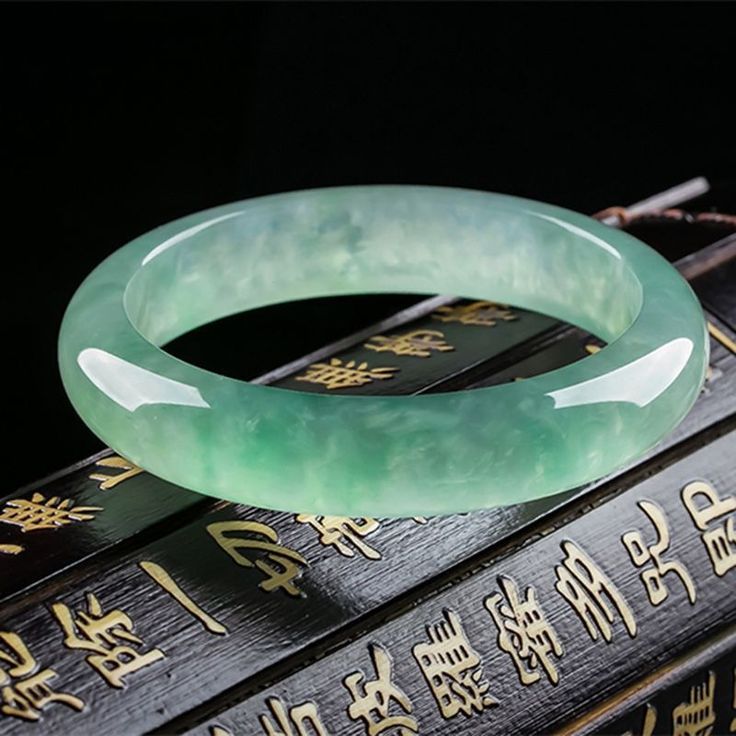
Seven practical, at-home tests — no lab equipment required — to help you judge whether a piece you bought online or in a shop looks like the real thing.
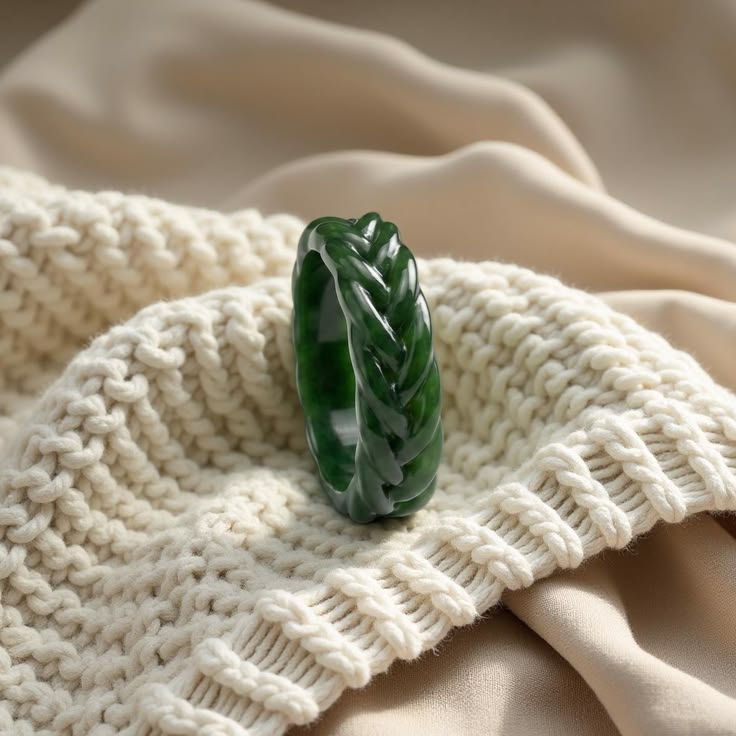
A buyer's definition of real jade — the two minerals behind the word, what gives jade its color, where it's mined, and how quality is judged once you know a piece is genuine.