
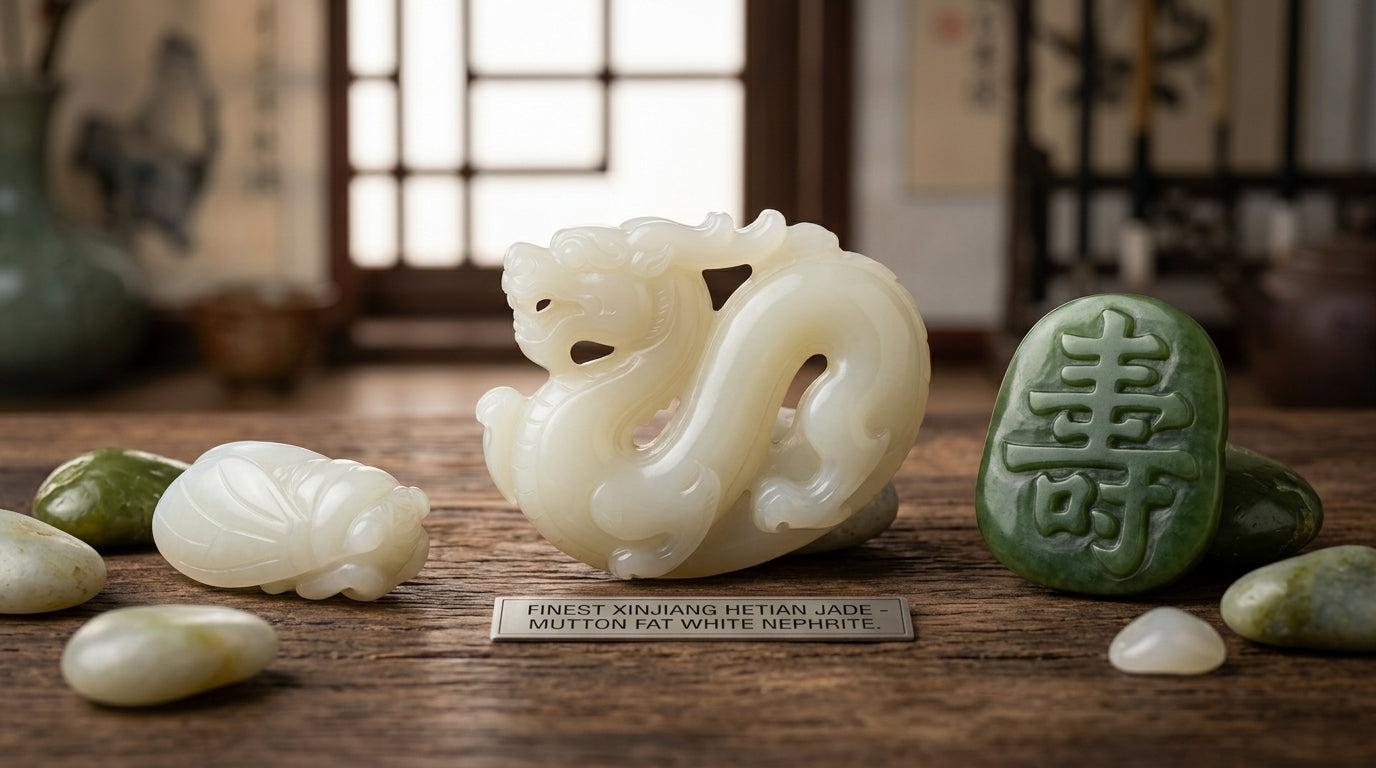
Choosing where to buy jade matters as much as checking any single piece. Here's how to evaluate a seller — marketplace or boutique — before you spend anything.
A jade certificate confirms species and treatment, not price or quality. Here's how to read one section by section, and what it deliberately leaves out.
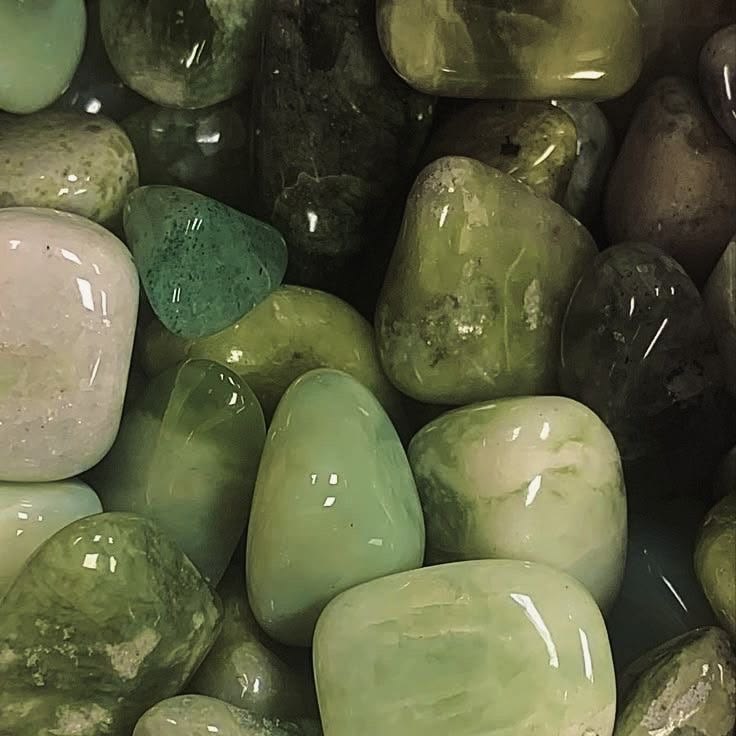
Raw jade doesn't look like a polished bangle — it's a weathered boulder with a skin, found in specific geological settings. Here's what actually identifies it in the field.
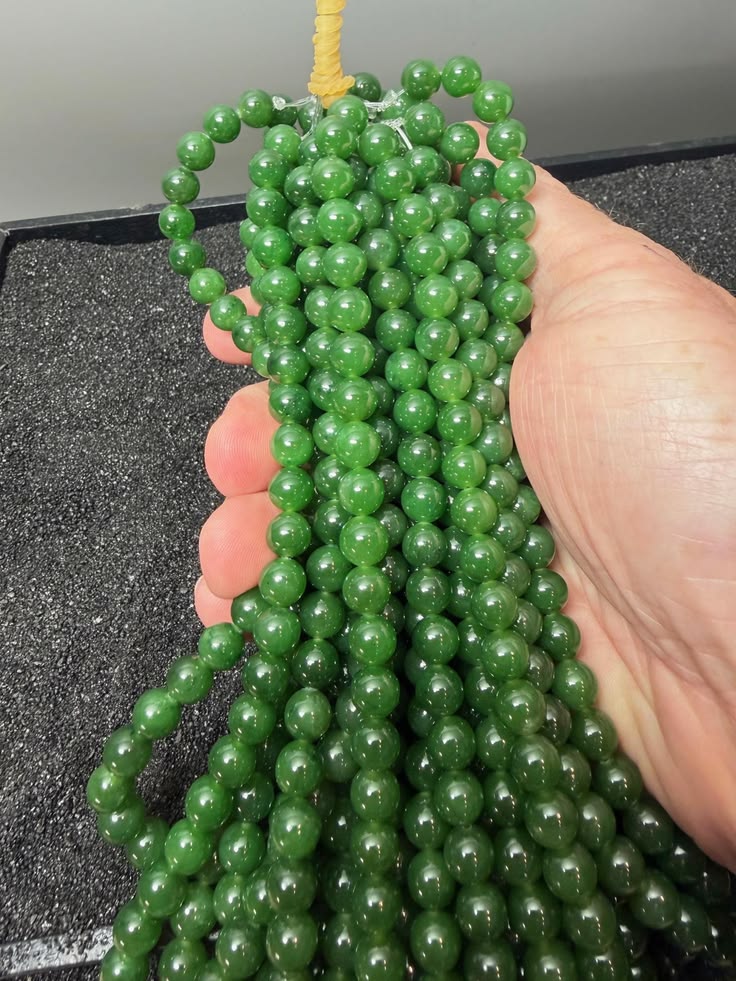
Jade doesn't have official "grades" — it has treatment types. Here's what Type A, B, C, and B+C actually mean, and how the treatment changes the stone.
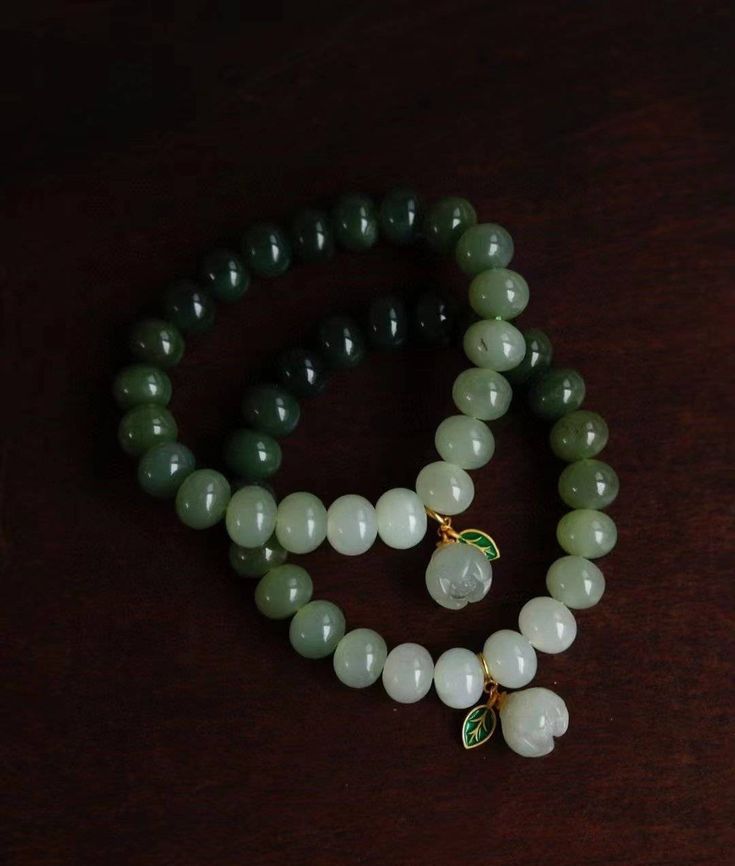
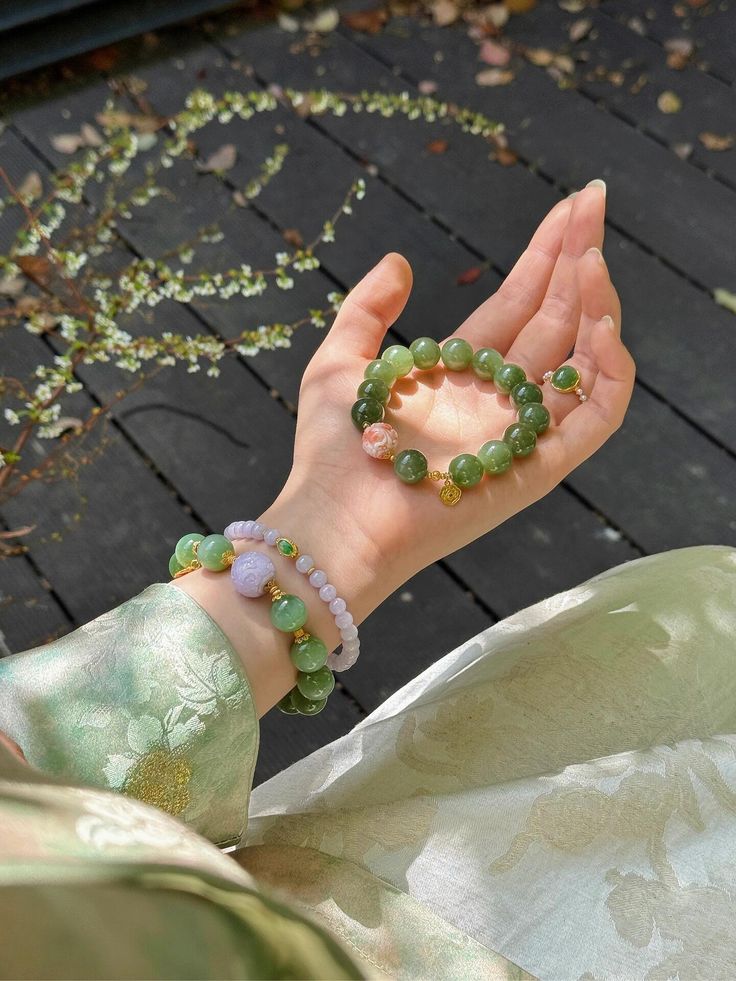
Bangle, beaded, chain, or tennis-style — you can't weigh or tap a bracelet you haven't received yet. Here's what pre-purchase authentication actually looks like, whatever the form.
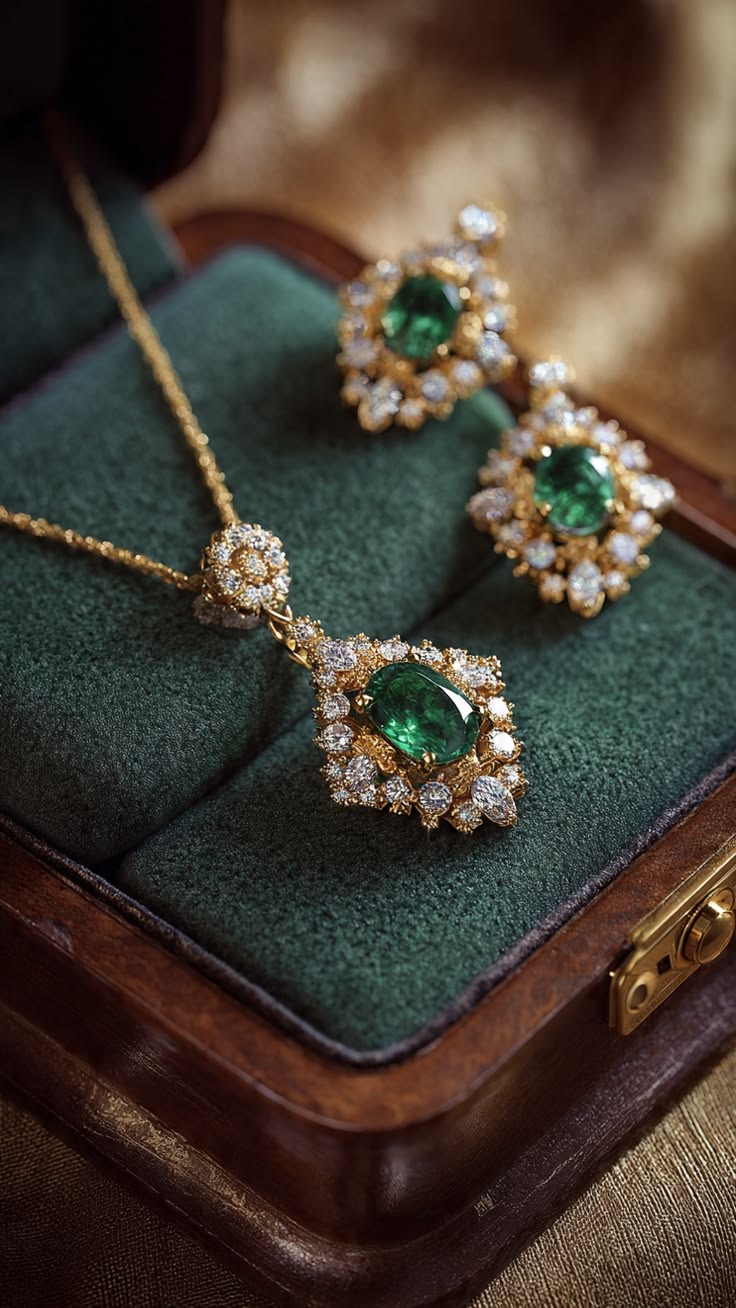
A carved pendant isn't a bead — its thin edges, tool marks, and metal bail reveal things a round bead or a bangle never can. Here's what to actually look for.
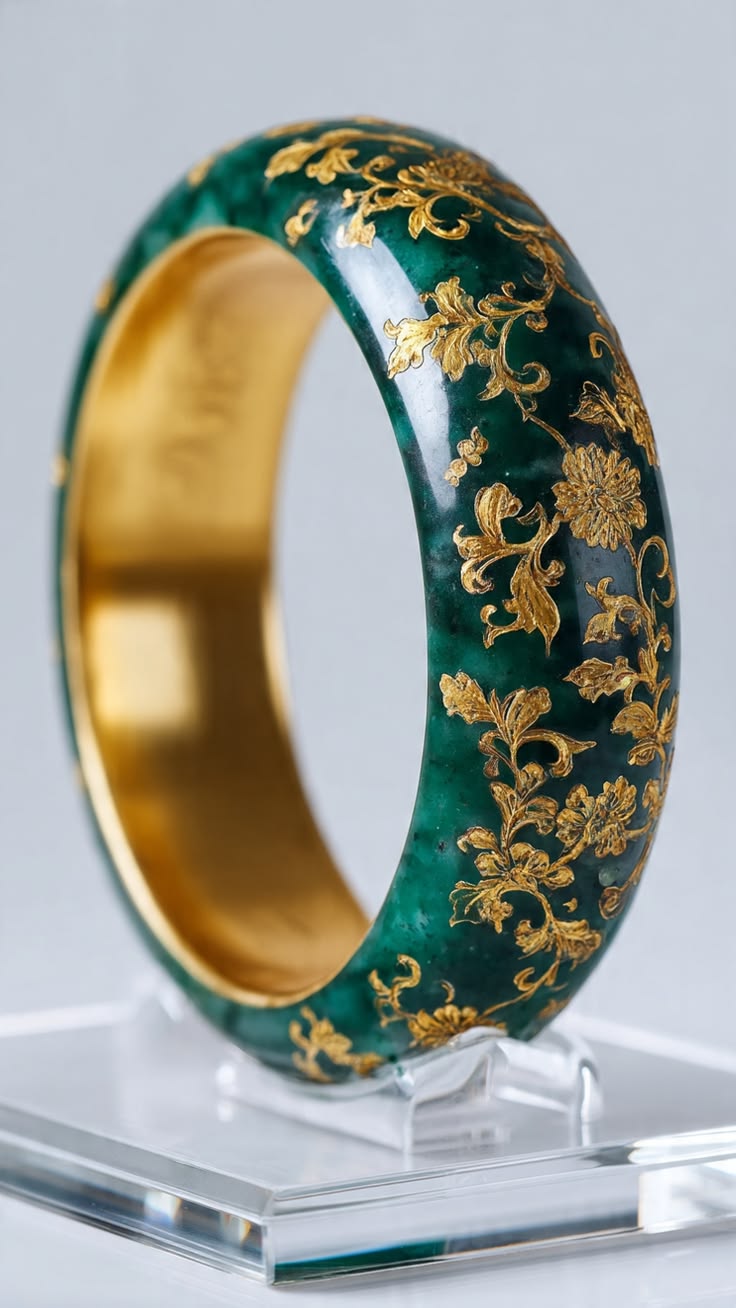
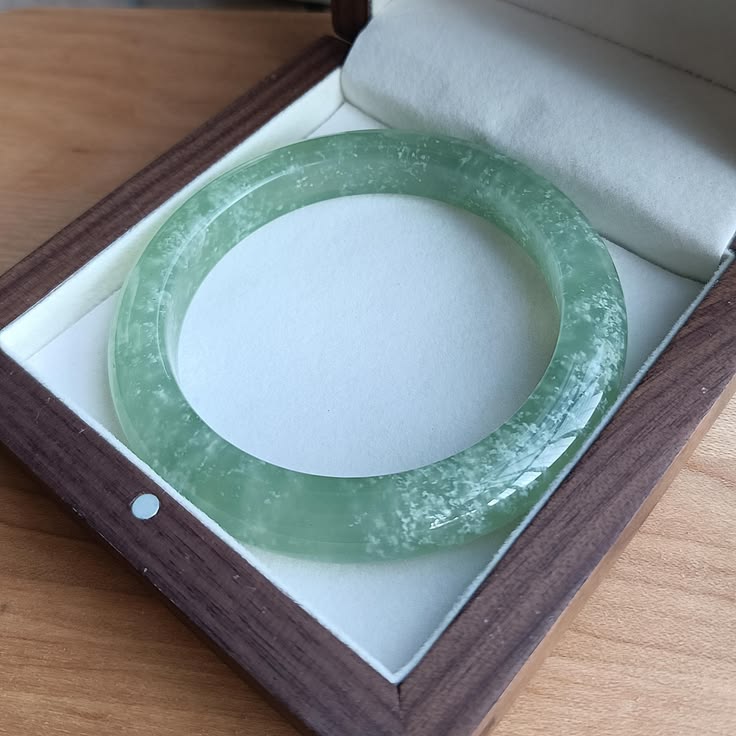
Bangles and bead bracelets test differently because of their shape — here's what to check on each, how they wear over time, and why bangles specifically sometimes crack.
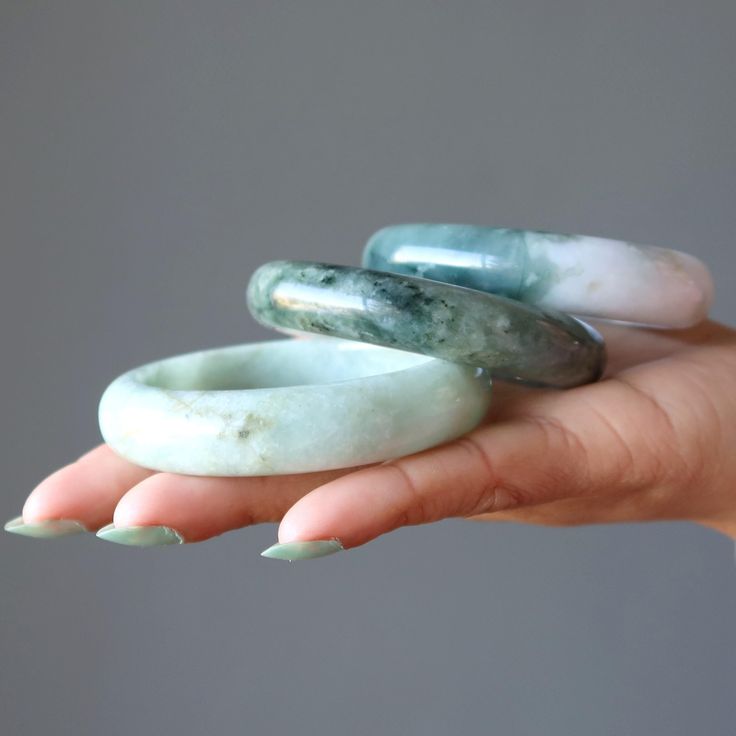
A material-by-material look at what's actually sold as fake jade, and the traits — weight, hardness, price — that tell each imitation apart from the real thing.
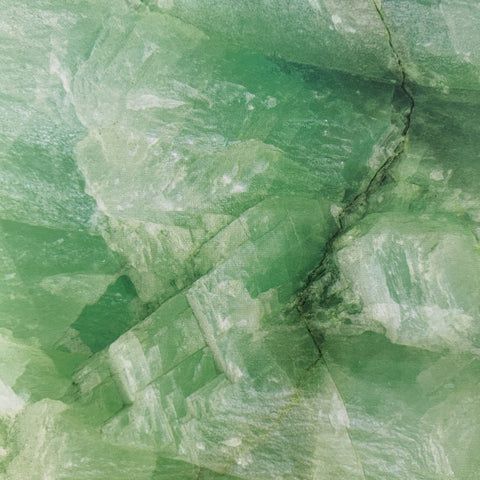
A closer look at one specific home check — the flashlight test — covering exactly what to look for, and where it stops being conclusive.