
What Does Fake Jade Look Like? Common Imitations Exposed
Table des matières
Fake jade is usually one of four things: glass (light, warm, bubbled), dyed quartzite (a real stone, but harder and often color-pooled), serpentine (a real stone, softer and less dense), or resin/plastic (very light, glassy-smooth). Each one gives itself away differently, which is why knowing the specific material matters more than a single generic test.
Introduction
"Fake jade" isn't one thing — it's several different materials, each with its own tells. This guide goes through them one at a time: what each is actually made of, and the specific physical trait that separates it from genuine jadeite or nephrite.

The Materials Most Often Sold as "Jade"
Four materials account for most jade imitations on the market, and they fall into two very different categories: manufactured substitutes, and real stones that simply aren't jade.
Glass and Plastic
These are the easiest to catch. Glass is amorphous silica with no crystal structure at all, which is why it often traps round air bubbles during manufacturing — something genuine jade's interlocked crystals never produce. Plastic is lighter still and warms up almost instantly against skin, unlike jade's slower thermal response.
Dyed Quartzite
Quartzite is a real, natural rock — not a manufactured fake — which is exactly why it fools more buyers than glass does. Mindat.org lists quartz at 7 on the Mohs hardness scale, actually harder than jadeite (6.5–7.0), but its natural color range doesn't include jade's greens, so sellers dye it. That dye tends to pool unevenly along internal grain boundaries rather than following a natural gradient.
Serpentine
Also a genuine mineral, often marketed under misleading trade names like "new jade." Serpentine is considerably softer (2.5–5.5 Mohs) and less dense than jadeite, with a distinctly softer, waxier surface feel once you know to compare it directly against a piece of real jadeite or nephrite.
Composite (Doublet) Stones
The hardest to catch without training: a thin genuine layer bonded over a cheaper, colorless base to stretch a small amount of real material further. From the front, a doublet can look completely convincing; the giveaway is usually visible only from the side or the back, where the join line or the base material's different luster shows through.
Sources: GIA, Jade Quality Factors; Mindat.org, Jadeite Jade and Quartz.
How Each Imitation Gives Itself Away
Beyond identifying the material, weight and light are the two physical checks that carry the most information without needing anything beyond what most people already own.
Why Does Weight Matter So Much?
Jadeite's density (3.30–3.38 g/cm³) sits well above every common imitation except dyed quartzite, and even quartzite falls noticeably short. Held in the hand, a genuine piece feels heavier than its size suggests — resin and plastic in particular feel almost hollow by comparison.
What Can UV Light Tell You — and What Can't It?
Some polymer-impregnated (Type B) material fluoresces faintly under ultraviolet light, which is sometimes suggested as a home check. In practice, a UV flashlight isn't something most people own, and normal daylight or phone-light checks (weight, hardness, natural color variation) catch the same category of fake without needing it. Treat UV testing as an optional extra for someone who already owns the equipment, not a required step.
Price and Documentation as Warning Signs
Material and physical checks only go so far — what a seller is willing to document and how a price compares to similar pieces matter just as much.

What Does a Realistic Price Look Like?
Genuine jadeite in fine color and good transparency costs meaningfully more than dyed quartzite or serpentine of similar size, because the raw material itself is far more expensive to source. A piece priced well below what comparable genuine jadeite normally sells for is one of the more reliable warning signs, regardless of how convincing the listing photos look.
What Should a Certificate Include?
A useful certificate names the specific mineral (jadeite or nephrite, not just "jade"), states the treatment type (A, B, or C), and comes from a gemologist — whether that's an in-house expert at the boutique or an independent gemological lab it works with. Shops that sell genuine jadeite and nephrite jewelry generally provide this as standard — if a listing doesn't mention one, it's worth asking for directly.
Conclusion
Most "fake jade" on the market is one of four materials — glass, dyed quartzite, serpentine, or resin — and each one has a specific physical trait that gives it away once you know what to look for.
FAQ
Is dyed quartzite actually a type of jade?
No. Quartzite is a different mineral entirely — harder than jadeite, chemically unrelated, and only made to resemble jade through artificial dyeing.
Why does serpentine get sold as jade so often?
It's a genuine, naturally green-toned stone that's cheap and widely available, and its softer, waxy texture is easy to miss unless you're comparing it directly against real jadeite or nephrite.
Are composite or doublet stones considered fake?
They're a hybrid — a thin layer of real jade over a different base material — and should be disclosed as such by any honest seller, even though they contain some genuine material.
Does a piece feeling cool always mean it's genuine?
No — dyed quartzite and serpentine are both real stones that also feel cool initially. Temperature narrows things down but needs to be combined with weight and price checks to mean much on its own.
Do I need a UV light to check for fakes?
No. It can reveal resin fluorescence in some treated pieces, but it's not something most buyers own, and the same category of fake is usually caught by weight, hardness, and price checks instead.
Read more
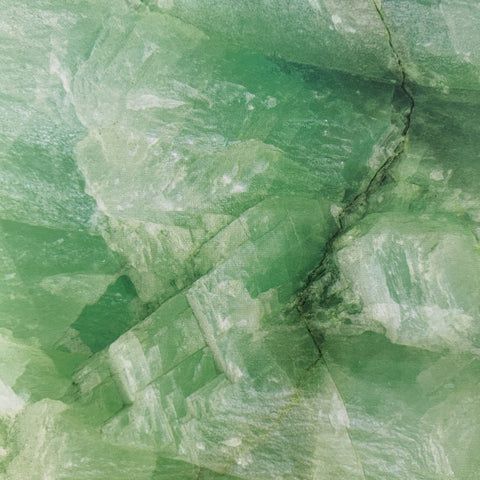
A closer look at one specific home check — the flashlight test — covering exactly what to look for, and where it stops being conclusive.
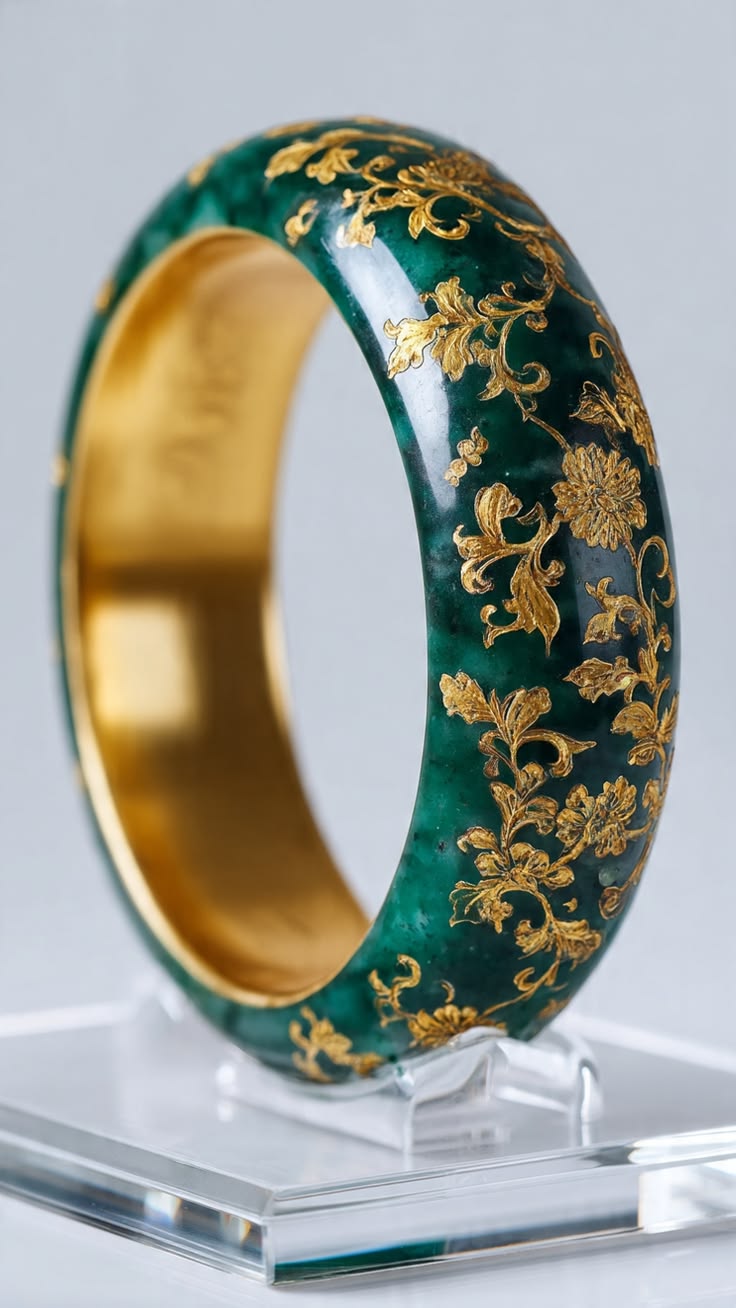
Bangles and bead bracelets test differently because of their shape — here's what to check on each, how they wear over time, and why bangles specifically sometimes crack.